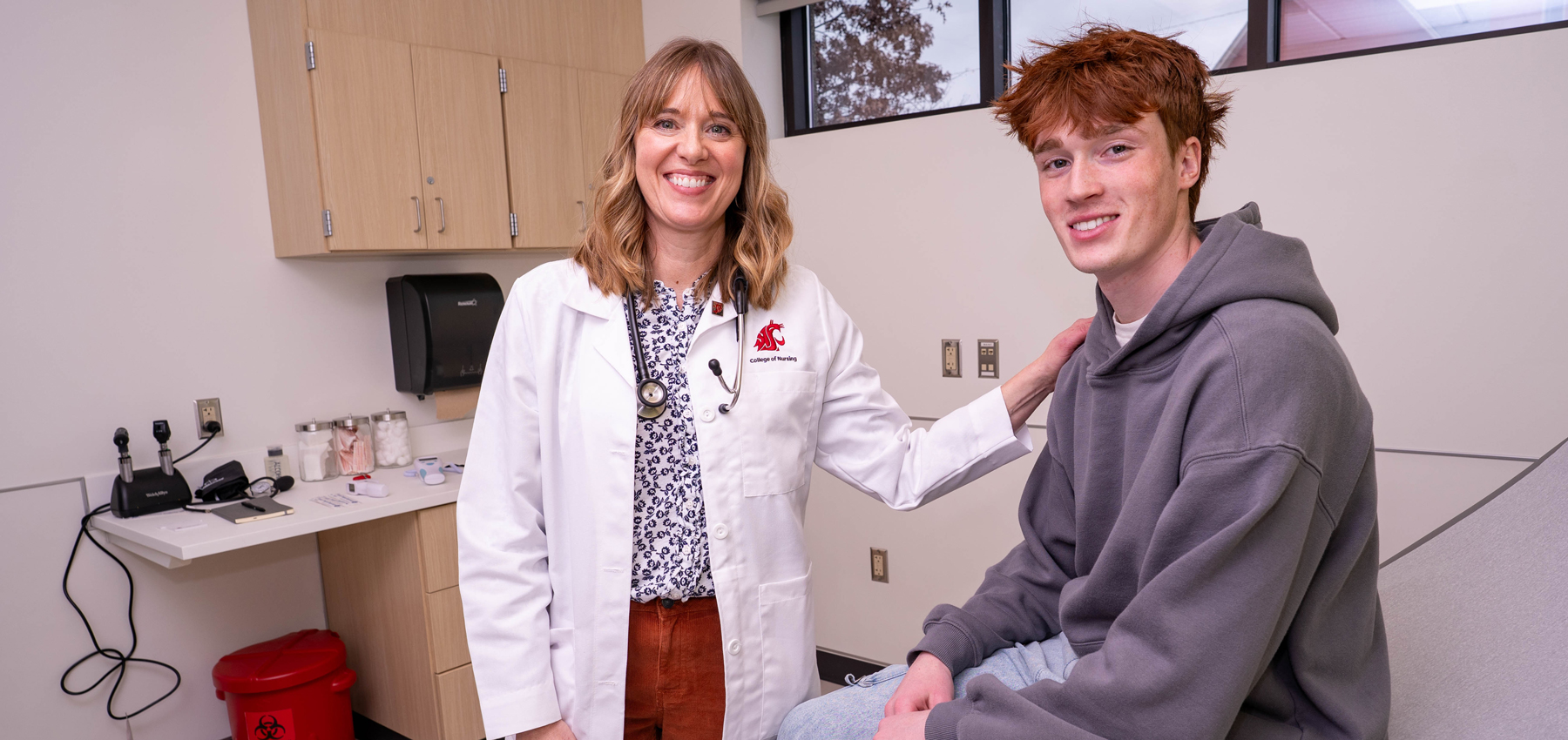
Washington’s Community-based Medical School
Equipping students to become healthcare leaders of the future, ready to serve in communities where they are needed most.
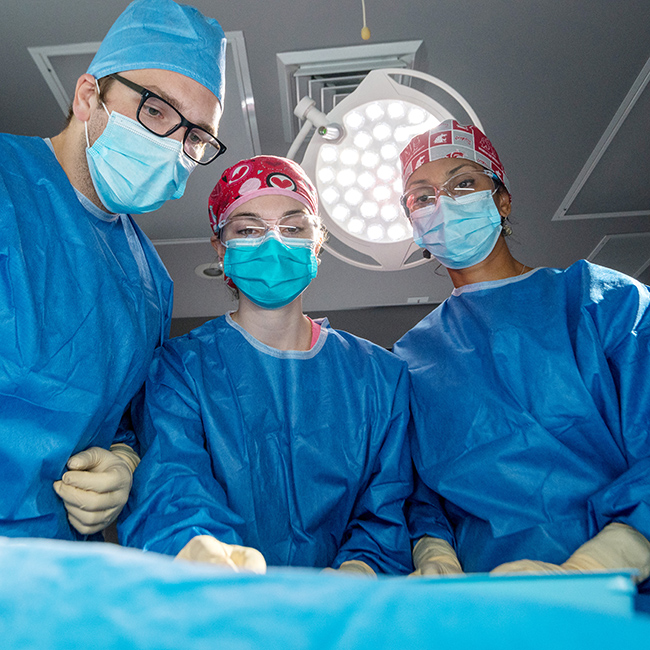
Educating Future Healthcare Leaders
Student doctors, nutrition and exercise experts, speech language pathologists, residents, longtime practitioners and more: WSU College of Medicine prepares learners to take the lead in addressing community healthcare issues, especially in rural and underserved areas.
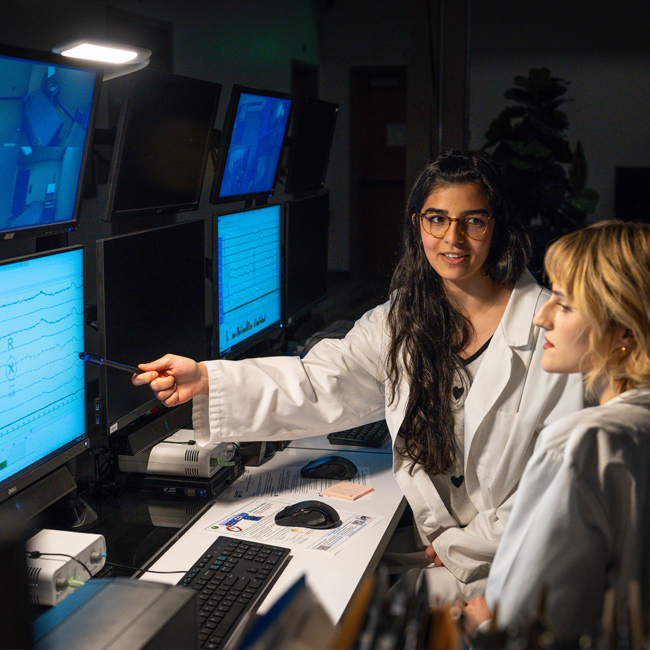
Ground Breaking Research that Benefits your Community
- Improved health for you and your communities.
- Foundational physiological discoveries that translate to clinical application.
- Community-informed research and advocacy.
We engage in diverse, life-changing work to build knowledge for a healthier world.
Community-Based Care
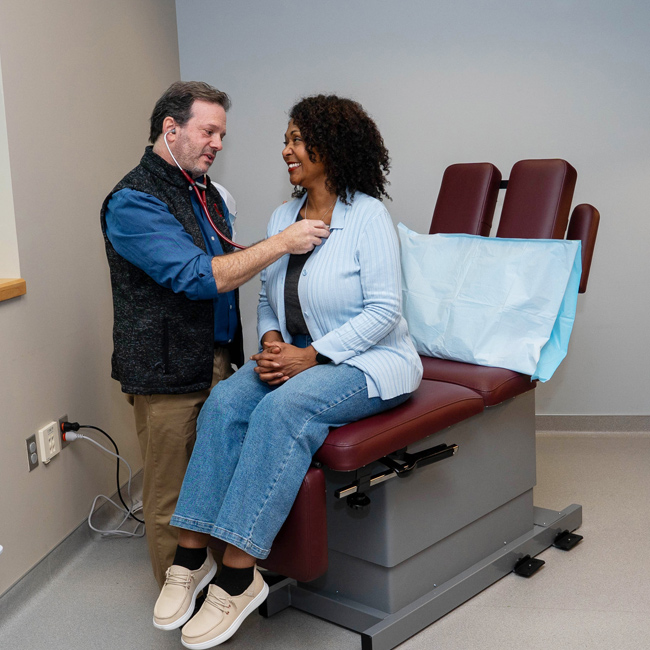
Providing care to those that need it most, in the clinic and in the community. We partner our physicians, practitioners, pathologists, physiologists, researchers and more with community organizations to provide patient-centered care.
The Elson S. Floyd College of Medicine employs a distributive model of medical education where students gain clinical experiences in a variety of hospitals and healthcare settings across the state.
In the News
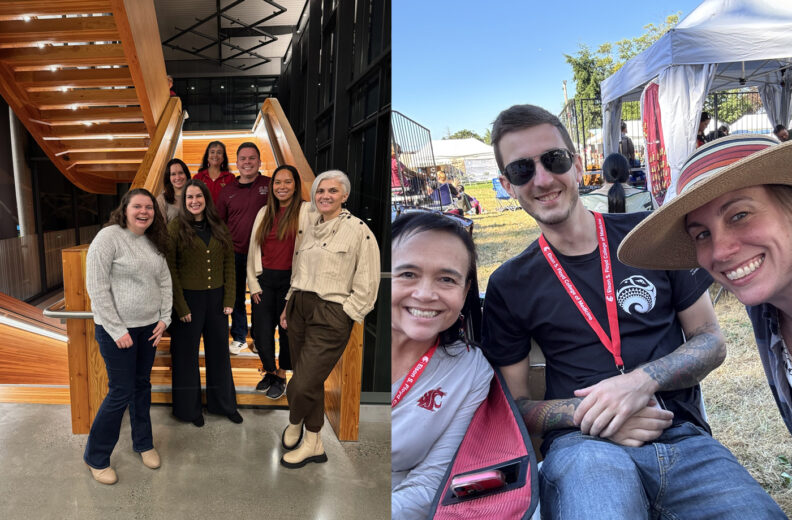
$2.7M Grant to Support Indigenous Participation in Alzheimer’s Research
Investigators from the Institute for Research and Education to Advance Community Health (IREACH) have received a $2.7 million grant from the National Institutes of Health (NIH) to study how to effectively communicate with Indigenous communities about research on Alzheimer’s disease and related dementias.

WSU’s Retention Increases as Health Sciences Programs Grow
Washington State University’s Health Sciences programs saw enrollment gains this fall, including a 5% increase in medical student enrollment.
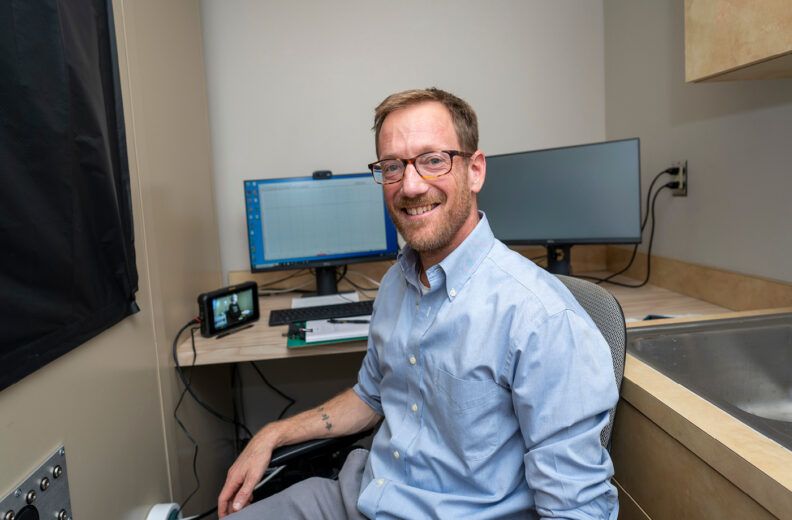
Guided by Curiosity, Grounded in Community: David Jenson Charts a New Path for SHS
The road David Jenson, PhD, took to the Elson S. Floyd College of Medicine’s Department of Speech and Hearing Sciences (SHS) hasn’t always been straight—and that’s what informs his leadership today.
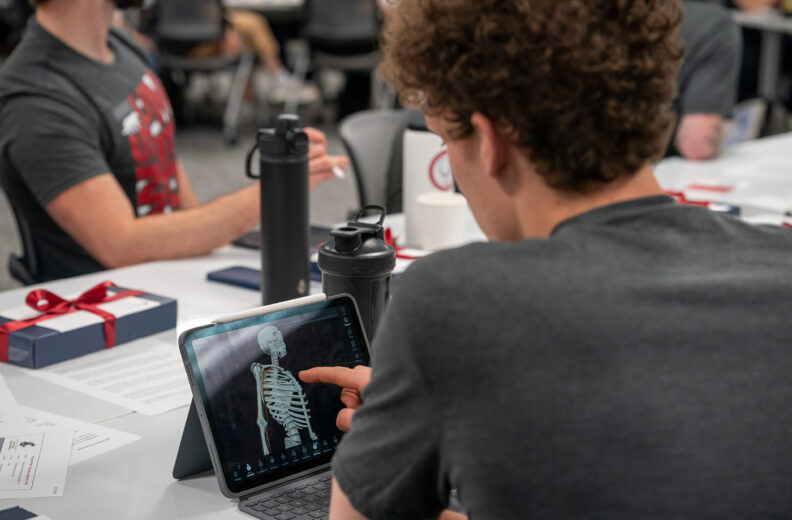
Elson S. Floyd College of Medicine Named Apple Distinguished School
The WSU Elson S. Floyd College of Medicine has been recognized as an Apple Distinguished School for 2026–2029 for its for innovation, leadership, and educational excellence using technology.
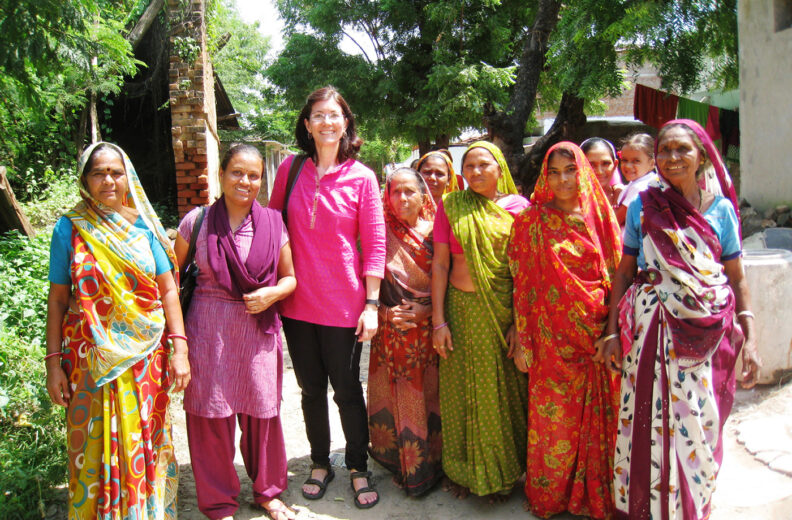
Strengthening Global Health Systems: Jeanna Holtz (’79), Nutrition & Exercise Physiology
When Jeanna Holtz, Nutrition and Exercise Physiology alum, updated her estate plans, she found herself returning to the place where her journey began: Washington State University.
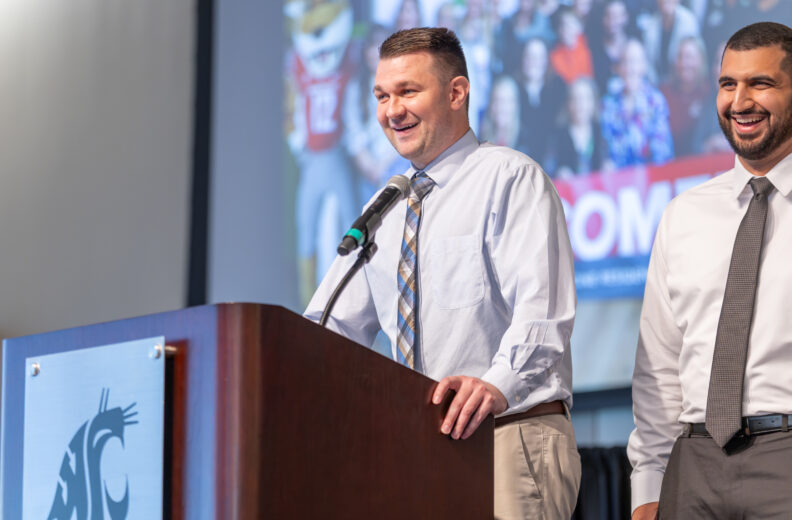
First Palouse-Trained Family Medicine Physicians Graduate
A milestone more than a decade in the making, the WSU Family Medicine Residency Program at Pullman Regional Hospital celebrated the graduation of its first class of resident physicians—Jeff Ward, DO, and Mohammed Younes, MD.
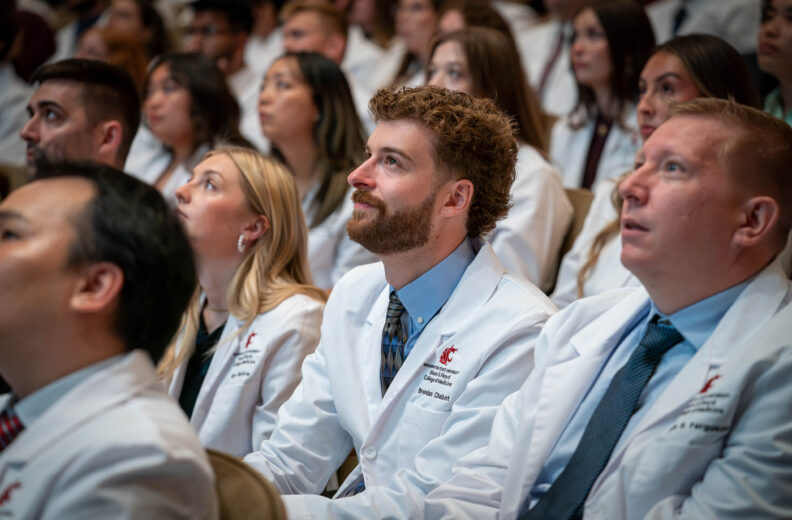
WSU College of Medicine Welcomes MD Class of 2030 in White Coat Ceremony
Eighty future Coug Docs walked across the stage Friday to don their white coats, the first step in their journey to fill a critical need for more physicians in Washington and beyond.
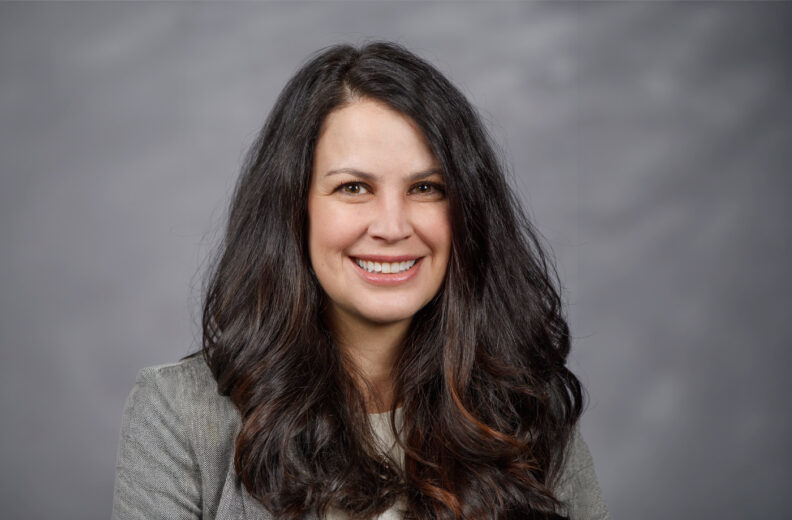
Amanda Boyd Named to Washington State Academy of Sciences Board
Amanda Boyd, PhD, a professor in the Elson S. Floyd College of Medicine and executive director of Native American Programs at WSU, has been elected to the board of directors of the Washington State Academy of Sciences.
Office for Health Equity
As Washington’s community-based medical school, we are committed to improving the health and well-being of all who call our state home. We aim to animate and sustain this commitment through initiatives that support current and future students, foster community engagement, and improve our understanding of how community conditions impact health.
