
- This event has passed.
TMP Seminar Series
April 14 at 12:10 pm – 1:10 pm PDT
Presented by Washington State University – Department of Translational Medicine & Physiology
Enterococcus faecalis and Candida albicans Inter-Kingdom Interactions
April 14, 2026
12:10– 1:10 p.m. PDT
SAC 147 or Zoom
Abstract Presentation
The microbiome comprises not only bacteria but also fungi, parasites, and viruses that can have profound biological effects on one another and on the host. Here, I will describe our work looking at interactions between the fungus Candida albicans and the bacterium Enterococcus faecalis, two opportunistic pathogens that share host niches in both commensal and diseased states. We discovered that these two bugs inhibit each other’s pathogenicity and will describe our studies elucidating the secreted molecules that mediate these effects, as well as our efforts to apply this knowledge to develop new anti-infective therapeutics.
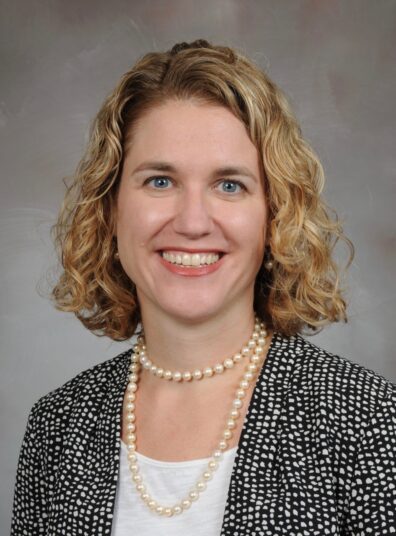
Speaker
Danielle A. Garsin, PhD
Professor; McGovern Medical School part of UTHealth-Houston
The University of Texas Health Science Center at Houston Department of Microbiology and Molecular Genetics
Dr. Garsin is a professor of Microbiology and Molecular Genetics at the University of Texas Health Science Center at Houston. Dr. Garsin received her Ph.D. in Biochemistry from Harvard University and her B.S. in Biological Sciences from Cornell University. Dr. Garsin is interested in microbial pathogenesis, gene regulation, host-microbe, and microbe-microbe interactions. One NIH-funded research focus is on the roles and regulation of ethanolamine utilization in bacteria. Another concerns the biology of the immune responses elicited in the model host, Caenorhabditis elegans. Finally, Dr. Garsin studies the interactions between Enterococcus faecalis and the human fungal pathogen Candida albicans; the discovery that the microbes inhibit each other’s virulence has led to the development of molecules with anti-infective therapeutic potential. Dr. Garsin has received many commendations for excellence in research and education. She earned an Ellison Medical Foundation New Scholar Award in Global Infectious Disease, a UT System STAR award, the Dean’s Teaching Excellence Award in multiple years, and was elected as a Fellow to the American Academy for Microbiology. She has served the scientific community as a permanent member of the Prokaryotic Cell and Molecular Biology (PCMB) and Innate Immunity and Inflammation (III) NIH review groups and as an editor of PLOS Genetics and mBio.