New research shows a Washington State University-led initiative to bring brain health screenings to rural and underserved communities can raise awareness for dementia risk factors and prompt participants to make meaningful lifestyle changes to protect their cognitive health.
Published in Innovation in Aging, the study reports first-year findings from the BRAIN-FIT project, short for Building a Rural Aging and Intervention Network: Factors that Impact Trajectories. The project, led by Department of Speech and Hearing Sciences Assistant Professor Amy Kemp, PhD, CCC-SLP, combines community outreach, education, and research to help adults reduce their risk of developing Alzheimer’s disease and related dementias.
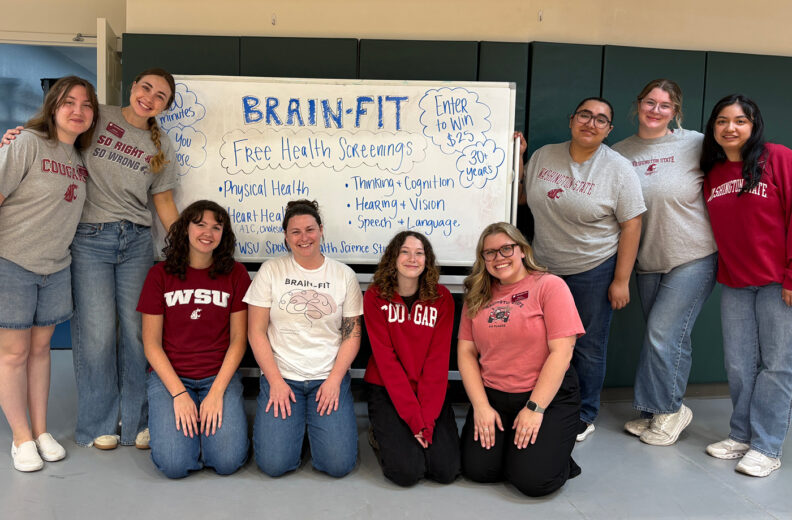
Adults in rural and medically underserved communities often face barriers to receiving comprehensive brain health screening, which typically requires seeing multiple specialists. Kemp and an interprofessional team of students addressed this by hosting mobile clinics across eastern Washington and north Idaho last year.
In one sitting, the team screened adults aged 45 and older for 14 modifiable risk factors for cognitive decline, including heart health, vision, hearing, lifestyle, and other factors. Participants were then offered personalized counseling on how to make behavior changes to prevent or minimize cognitive decline, preserving their independence for as long as possible.
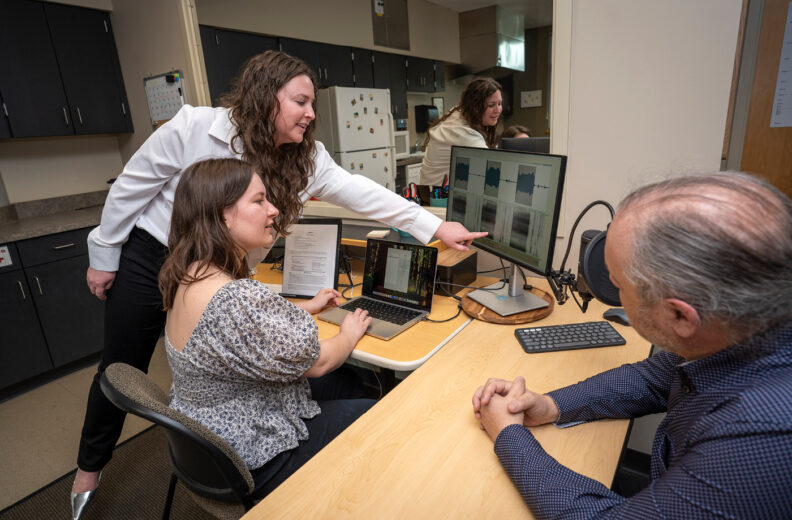
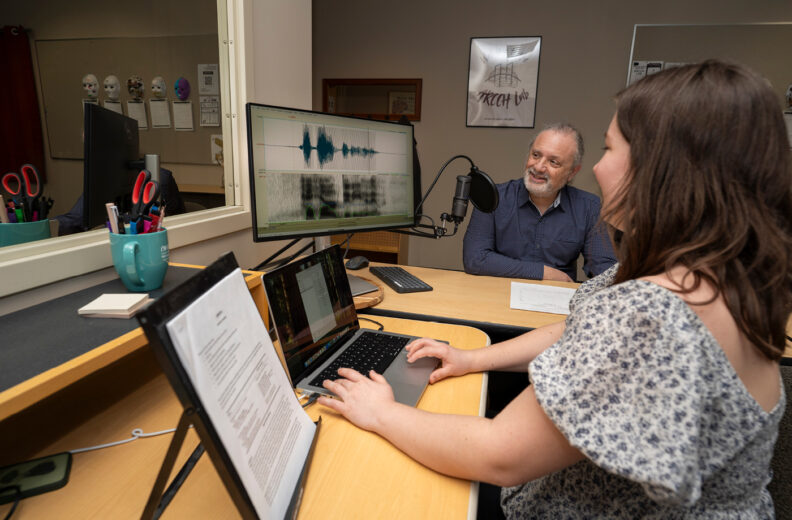
“In 45 minutes to an hour, we can provide a snapshot of someone’s cognitive health from head to toe,” said Kemp, who leads the Accelerating Research in Cognitive Communication Health (ARCCH) Lab in the Elson S. Floyd College of Medicine. “Usually, healthcare providers don’t have time to do that and will rely on one or two measures.”
Preventing Cognitive Decline
A study of 119 screening participants who agreed to participate in the research component of the project showed that many had elevated risk factors but scored within normal limits on cognitive testing, meaning the intervention reached them when they can still make meaningful behavior changes to preserve function.
“That’s important because it means we’re reaching people during a preventive window rather than after major decline has occurred,” Kemp said.
Nearly a quarter of participants had hearing loss, an under-recognized risk factor for cognitive decline. Other common risk factors in the group included vision impairment, high cholesterol, and sleep disturbances.
Increased awareness and counseling about steps to reduce risk can make a difference, however. In follow-up interviews a month after the screening, 43% of study participants reported making at least one behavior change, such as increased physical activity or improved sleep.
Tracking Cognitive Trajectories
This summer, the BRAIN-FIT team hosted the mobile clinic for a second time, screening nearly 80 repeat attendees and more than 75 new participants.
“We hope to see participants return year to year so we can see what they did differently and follow their cognitive trajectories over time,” Kemp said.
Preliminary results show that approximately 25% of repeat attendees made sustained lifestyle changes in the year since first being screened. Many have begun to see improvements in their physical health, including 15% who improved their cholesterol.
The intervention can also affect whether people feel in control of their health. Many repeat attendees reported an increased sense of self-efficacy, or confidence in their ability to make health-related changes. Several cited increased awareness about the importance of hearing health as a key motivator to make changes and get screened again.
“This screening makes a difference in whether people feel empowered to change modifiable risk factors for brain health and improve their aging trajectory,” Kemp said. “In particular, participants were paying more attention to their hearing health.”
This year, the team also refined their screening process. They added an assessment of foot health, which can lead to falls and rapid physical and mental decline. In response to participant feedback, they also improved the accuracy of hearing tests with new equipment, made possible with WSU supplemental funds.
Training Interprofessional Teams
Beyond bringing screenings to local communities, BRAIN-FIT offers students a valuable opportunity to gain hands-on experience with interprofessional clinical practice and research.
This year’s team included undergraduate and graduate students from the Department of Speech and Hearing Sciences, students from the WSU College of Nursing, and physical therapy students from Whitworth University.
“This experience helps students from different fields to learn how to communicate with each other and to understand their different scopes of practice,” Kemp said. “Speech-language pathologists won’t necessarily draw blood, for example, but it’s important for them to learn how cholesterol plays a role in brain health.”
The project even inspired a new course in interprofessional practice, which Kemp is teaching this fall through the Department of Speech and Hearing Sciences.
Next year, she aims to increase student involvement by hosting mobile clinics in the spring and summer. The team is also exploring the possibility of expanding the program to other western states in collaboration with local universities.
As the project grows, Kemp hopes the BRAIN-FIT initiative will provide new insights into the science of cognitive health while continuing to expand access to preventive care in rural communities.