
Jessica Williams-Nguyen, PhD, assistant professor at the Elson S. Floyd College of Medicine, has been awarded a $545,600 grant from the Robert Wood Johnson Foundation (RWJF) through its Evidence for Action program, which supports research that develops practical solutions to improve health and well-being in communities by addressing long-standing barriers to access.
The three-year project, titled “Supporting an Indigenous-Centered Quantitative Analysis Toolkit for Equity (ICQuATE),” aims to develop practical tools that align quantitative health research methods with Indigenous ways of knowing and being.
The project is co-led by Cole Allick, PhD, assistant professor in the WSU College of Veterinary Medicine and a citizen of the Turtle Mountain Band of Chippewa Indians, and includes collaborators from WSU, including several first-year medical students, and Wabanaki Public Health and Wellness (WPHW), an Indigenous-led organization serving Tribal communities in Maine.
ICQuATE builds on work supported by a New Faculty Seed Grant from the WSU Office of Research and Partnerships.
“ICQuATE emerged from ongoing conversations during Dr. Allick’s doctoral training in Indigenous Health, where we frequently explored the tensions between quantitative research methods and their relevance to Indigenous communities,” said Dr. Williams-Nguyen, who is a methods core researcher at WSU’s Institute for Research and Education to Advance Community Health (IREACH). “These dialogues—often informal and grounded in lived experience—highlighted how standard quantitative approaches can fall short in terms of accessibility, utility, and cultural alignment.”
The project will unfold in three phases: convening Indigenous knowledge keepers to define Indigenous-centered quantitative health science; developing a toolkit to translate these methods into practice; and pilot testing the toolkit in partnership with WPHW.
“Advances in science have supported the incorporation of Indigenous ways of knowing into qualitative research, but similar resources for quantitative scientists are sparse and largely theoretical,” said Dr. Williams-Nguyen. “This project seeks to bridge that gap, bringing existing resources to practitioners in a form they can quickly put into practice.”
The toolkit will be designed for use by Indigenous health researchers with a range of training and life experiences.
“Application of the toolkit will permit reorienting of the quantitative process toward Indigenous knowledges and promote cultural safety for Indigenous Peoples in settings where quantitative health science occurs, including education, Tribal health, and academic research,” she said.
The toolkit will build on a seed grant-funded scoping review of quantitative research methodologies that align with Indigenous knowledge systems. The review is ongoing and has included contributions from several first-year WSU medical students, including Hannah Eckert, Angela Gomez, Madelyn Hartim-Lowe, Andy Xie, Kelsey Zhong, and Jacob Hamaker, who is completing his MedScholar project with the research team.
The ICQuATE team includes Clemma Muller, MichaeLynn Kanichy, and Ralph Cammack of WPHW, who has previously collaborated with Dr. Williams-Nguyen on NIH-funded projects. The team is also supported by Health Sciences Medical Librarian Suzanne Fricke, WSU’s Center for Native American Research & Collaboration, and the Office of Tribal Relations.
“This work is about more than just methods—it’s about creating space for Indigenous leadership in health research,” said Dr. Williams-Nguyen. “We hope this project will advance the ongoing conversation about how quantitative science can best support the health and wellness goals of Indigenous communities.”
Featured Faculty
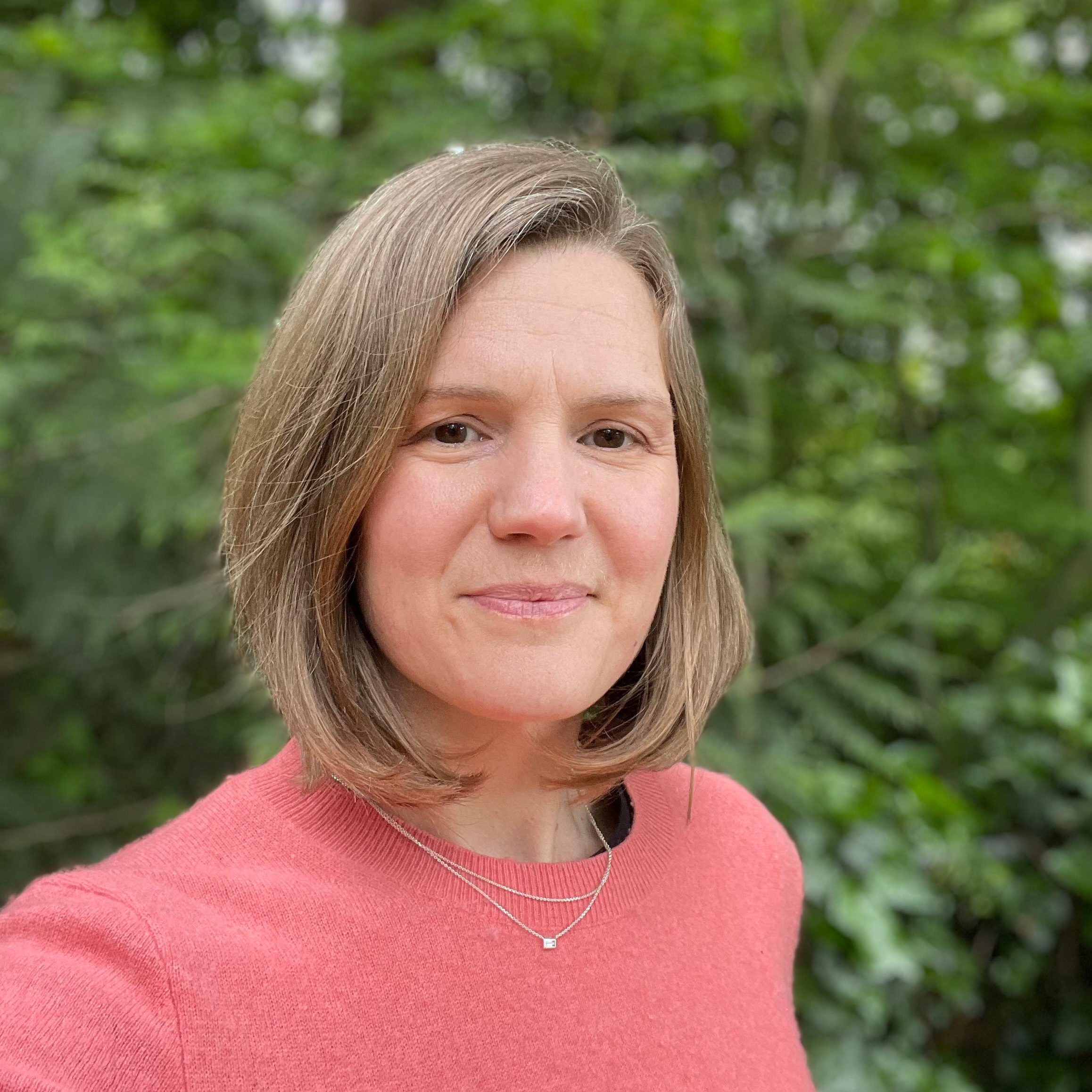
Jessica Williams-Nguyen, PhD
Assistant Professor