Student Bios
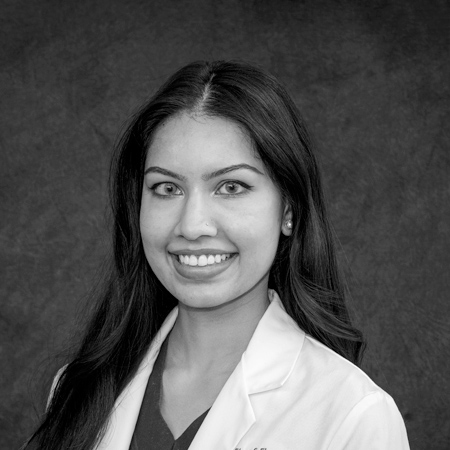
Irene Ahmed
Internal Medicine at Texas Health Resources – Presbyterian Plano in Plano, TX
What led you to your specialty, and why this one?
Working with complex patients allows me to offer meaningful support when they are at their most vulnerable, which I find incredibly rewarding. This human connection, paired with the rigorous pathophysiology and detective work of internal medicine, is why I am so drawn to the field.
What have you been most proud of during your time in medical school?
I take immense pride in balancing my personal life with my academic journey. Being a mother while navigating such rigorous course work was a significant challenge, but despite the setbacks, I am proud to have made it through and can’t wait to see what residency has in store!
Who has been your most influential mentor during your medical training, and what did you learn from them?
The most influential advice I received came from a trauma surgeon who balanced her career with motherhood. At a time when I was struggling with specialty choice and the weight of mom guilt, she told me, “There will always be other doctors for your patients, but your children will only ever get one mom.” That message hit home, guiding me to be more intentional and discerning in choosing a specialty that I am truly passionate about.
How do you hope to make an impact as a physician?
I hope to always advocate for my patients, ensuring they feel heard and respected throughout their medical journey. Beyond clinical practice, I want to inspire the next generation of female physicians to reach for their goals. I want them to know that they don’t have to choose between being a doctor and being a mom; with the right vision, they can successfully embrace both roles.
What innovative medical technology or treatment are you most excited about, and why?
I am excited about the potential of AI to transform health care. Rather than replacing physicians, I believe AI will serve as an essential resource to reduce burnout and enhance patient care. By leveraging this technology effectively, we can improve diagnostic accuracy and overall patient outcomes.
What advice would you give to incoming medical students?
Never forget your “why,” even when the path gets tough and the light at the end of the tunnel feels distant. Your journey is unique, and it doesn’t have to mirror anyone else’s. Stay resilient—when one door closes, another always opens. Most importantly, just because it hasn’t been done before doesn’t make it impossible; be the first!
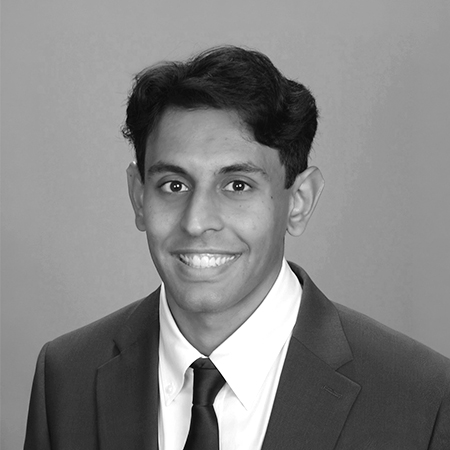
Razan Ali
Interventional Radiology at Zucker School of Medicine – Northwell Lenox Hill Hospital & B I Deaconess Medical Center in Boston, MA
What led you to your specialty, and why this one?
I chose radiology because it allows me to diagnose and treat disease throughout the entire body and across a wide spectrum of conditions, from oncology to palliative care. It is also an innovative field that will continue to find new ways to impact patient care.
What have you been most proud of during your time in medical school?
Completing rotations across many specialties and practice settings. I gained valuable lessons from each experience.
Who has been your most influential mentor during your medical training, and what did you learn from them?
I would like to thank all of my preceptors for their guidance and teaching. I am especially grateful to Dr. Kaczmark for her mentorship and consistent involvement throughout my medical school training. I also thank Dr. Ammar Sarwar for providing early exposure to interventional radiology, which inspired me to pursue the field. Finally, my aunt, Dr. Farah Naz, for her early support and influence in my decision to pursue a career in medicine.
How do you hope to make an impact as a physician?
Help develop new therapies that improve quality of life and minimize complications.
What innovative medical technology or treatment are you most excited about, and why?
Theranostics.
What is one of your favorite memories from your time at the college?
Studying in the lounge with my buddies.
What advice would you give to incoming medical students?
Almost everything you learn impacts real patients, so learn with the intention to make a positive difference. Don’t hesitate to reach out (cold email) people who are innovating in areas you are passionate about.
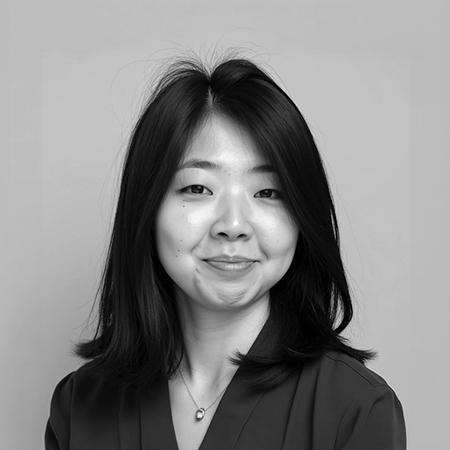
Joanne Bae
Internal Medicine at Alameda Health System Highland Hospital in Oakland, CA
What led you to your specialty, and why this one?
I knew internal medicine was for me early on because I’m a generalist at heart. It also aligned with my interests in caring for complex patients, hospital medicine, teaching, and advocacy. I love meeting my patients at the bedside, taking time to get to know them and their families, championing their care, and helping them better understand their conditions so they feel empowered and can participate meaningfully in their care.
What is one of your favorite memories from your time at the college?
Late night study sessions in the library, birthday dinners with friends, ice skating at Riverfront park, Bloomsday run, learning the art of medicine with Dr. Ahmad, anatomy with Dr. Helbling and Dr. Conley, and more!
What advice would you give to incoming medical students?
I love to remind myself to enjoy the process of becoming! Be kind and gentle with yourself, stay curious, genuine and engaged with the people around you, celebrate each other. Remember that comparison is the thief of joy. And pay attention to the people who show up quietly, consistently, and intentionally. These are the people who are building something meaningful.
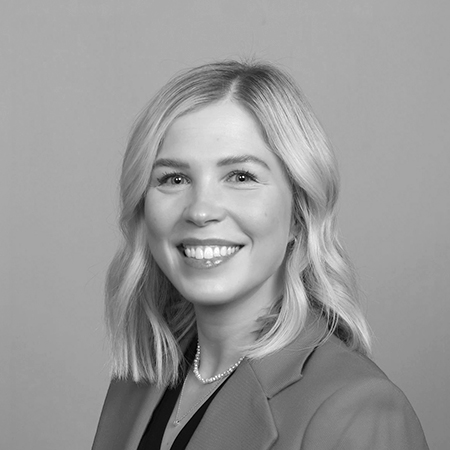
Courtney Batts
General Surgery at SIU School of Medicine in Springfield, IL
What led you to your specialty, and why this one?
General surgery drew me in with its teamwork, problem-solving, and hands-on care. I thrive in fast-paced environments and felt most at home on surgical teams and in the OR. I love that surgery requires critical thinking and offers a tangible way to improve the quality of people’s lives. It’s a field that continuously challenges me, energizes me, and reminds me why I chose medicine.
What have you been most proud of during your time in medical school?
Getting to this point, what a whirlwind. We should all be so proud of how much we’ve grown in four years!
Who has been your most influential mentor during your medical training, and what did you learn from them?
Dr. Moreno, the first surgeon I trained with during my third year. She taught me how to be comfortable and helpful in the OR—I can’t tell you how many times I was complimented on my OR etiquette!
How do you hope to make an impact as a physician?
I hope to be a positive light for my patients. Always.
What innovative medical technology or treatment are you most excited about, and why?
Robotic surgery and AI scribes.
What is one of your favorite memories from your time at the college?
Exam review with the gals—not for the studying, but for the food! We’d go to campus the weekend before each exam and have a themed potluck. Highly recommend, 10/10.
What advice would you give to incoming medical students?
You can do hard things. No matter how scary or difficult, you’ll get through it. Also, get involved and lean on those around you, med school is way more fun that way!
Go Cougs!
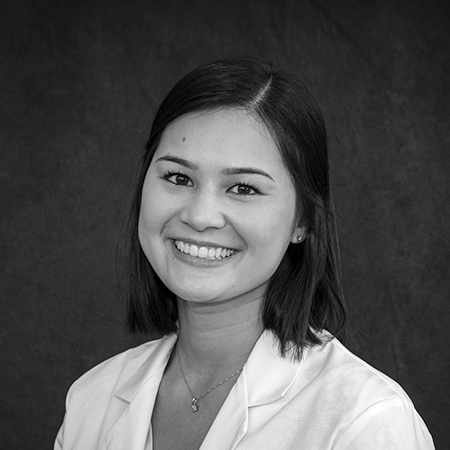
Taylor Brown
Emergency Medicine at University of California Davis Medical Center in Sacramento, CA
What led you to your specialty, and why this one?
I was drawn to emergency medicine because I thrive in high-pressure situations where quick thinking and adaptability are essential. The environment in the department allows me to make a difference in patients’ lives during their most acute moments. I want to provide immediate, impactful care and work as part of a team to tackle diverse medical emergencies. The variety, challenge, and opportunity to make a difference in critical situations motivated me to pursue emergency medicine as my specialty.
What have you been most proud of during your time in medical school?
During my time in medical school, I am most proud of the growth I have achieved both academically and personally. Academically, I am proud of my perseverance through challenging coursework and hands-on experiences. Personally, I am proud of my commitment to compassionate patient care, where I was able to build meaningful connections with patients and their families all the while growing my own family.
Who has been your most influential mentor during your medical training, and what did you learn from them?
My most influential mentor in medical school has been Dr. Anjali Kumar. She has played a role in both my academic and personal development. Through her guidance in research, she has helped me develop critical thinking skills, perseverance, and a deeper understanding of scientific inquiry. Beyond academics, Dr. Kumar has been there to celebrate my joyous successes and offer advice when needed. Her mentorship has not only enhanced my medical knowledge but also inspired me to approach my future career with integrity and empathy.
How do you hope to make an impact as a physician?
As a physician, I aspire to make a meaningful impact by delivering fast, efficient, and high-quality care to all patients, regardless of their background or circumstances. I am committed to ensuring that every individual receives equitable treatment, addressing disparities in health care, and advocating for vulnerable populations. By combining my dedication to swift, effective interventions with a focus on fairness and inclusivity, I aim to improve patient outcomes, reduce health care disparities, and contribute to a more just and compassionate emergency care system.
What innovative medical technology or treatment are you most excited about, and why?
I’m really excited to use AI to enhance patient care, as it has the potential to streamline diagnoses and treatment plans, making the process faster and more efficient. This technology can help us deliver timely interventions, ultimately improving patient outcomes and experiences.
What is one of your favorite memories from your time at the college?
One of my favorite memories was when we learned how to intubate on manikins. I had the opportunity to learn how to do a blind digital intubation!
What advice would you give to incoming medical students?
Build a strong foundation of knowledge. If you put in the time and effort in the beginning, it’s easier to build upon later. And don’t forget to take care of yourself!
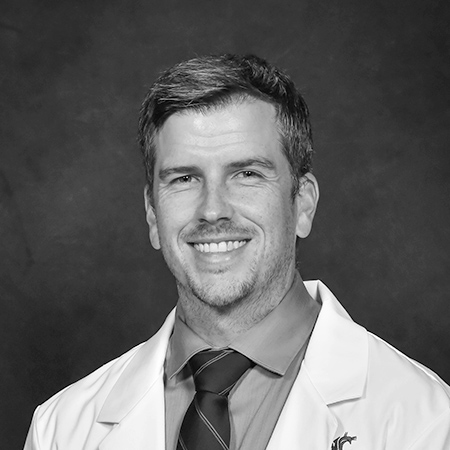
Ryan Browne
Diagnostic Radiology at Desert Regional Medical Center & Medical University of South Carolina in Charleston, SC
What led you to your specialty, and why this one?
Anatomy, technology, and diagnostic utility.
What have you been most proud of during your time in medical school?
Putting my full effort into making a difference for my patients.
Who has been your most influential mentor during your medical training, and what did you learn from them?
Dr. Julie Kaczmark. She shares so much knowledge and wisdom to her mentees.
How do you hope to make an impact as a physician?
I hope that I can provide crucial diagnostic answers that help clinicians provide the highest quality of care for their patients.
What innovative medical technology or treatment are you most excited about, and why?
Smaller, more inexpensive MRI because they will improve access to this technology to more people.
What is one of your favorite memories from your time at the college?
Ski trips with friends during preclinical years.
What advice would you give to incoming medical students?
Study smart and make time for yourself.
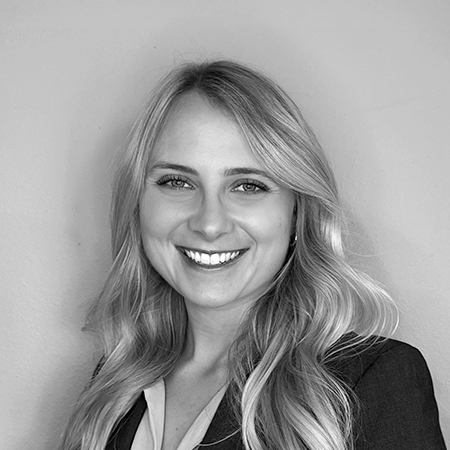
Cari Coles
Obstetrics & Gynecology at Trinity Health Ann Arbor Hospital in Ann Arbor, MI
What led you to your specialty, and why this one?
My interest in obstetrics and gynecology began before medical school and grew stronger throughout my training as I developed a passion for women’s health. I am drawn to the specialty’s unique blend of surgical care, longitudinal patient relationships, and the management of acute clinical situations. OB/GYN allows me to care for patients across all ages and life stages while making a lasting impact on their health and well-being.
What have you been most proud of during your time in medical school?
How far I have come in my confidence and knowledge in just four years.
How do you hope to make an impact as a physician?
I hope to be a physician who advocates for patients and is someone that they can trust and look to when they need it.
What is one of your favorite memories from your time at the college?
The weekend before every exam my friends and I did a themed potluck and study session, mixing the need to study with something a little fun to keep us going.
What advice would you give to incoming medical students?
Work hard, study early and often, and never give up on your dreams.
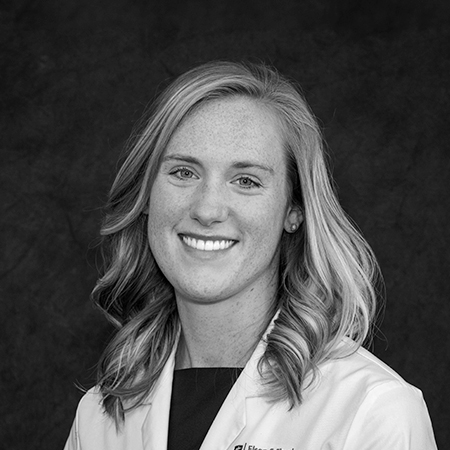
Abigail Cone
Psychiatry at University of Washington in Seattle, WA
What led you to your specialty, and why this one?
I love having the ability to build meaningful, longitudinal relationships with patients and provide care that considers the whole person in the context of their lives and communities. Forming these partnerships with patients and working together to help them achieve their personal goals has been incredibly fulfilling, and something I look forward to as I continue my medical training.
What have you been most proud of during your time in medical school?
Learning to balance motherhood and medicine has certainly been no easy feat, but proving to myself that I can show up (and succeed) as both a parent and medical student has been by far my greatest achievement.
How do you hope to make an impact as a physician?
I believe sometimes it’s the small changes that can make all the difference; I hope to be a physician who spends a couple extra minutes listening, and helps my patients feel heard and understood. It may not be the biggest impact, but for the patients you touch it can mean a world of difference.
What is one of your favorite memories from your time at the college?
I was originally part of the class of 2020, so in peak-COVID times our first year was virtual. Finally being able to gather in-person for our second year and meet all those faces I had seen over Zoom for the past year just made it that much sweeter!
What advice would you give to incoming medical students?
You can’t take care of patients if you don’t take care of yourself; prioritize your mental health, guard your peace, and take a break when you need it.
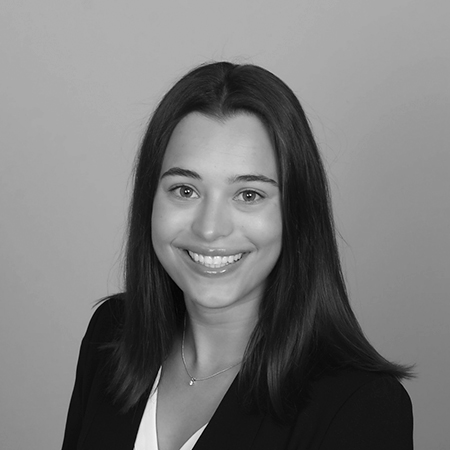
Charlotte Correll
Anesthesiology at Spokane Teaching Health Center & University of Utah Health in Salt Lake City, UT
What led you to your specialty, and why this one?
I chose anesthesiology because it is the perfect balance of pharmacology, physiology, and hands-on procedural work.
What have you been most proud of during your time in medical school?
I have been most proud of how my husband and I have supported each other through the ups and downs of medical school, navigated the chaos of the couples match as a team, and come out the other side closer and with more inside jokes than ever. Love you Zack!
Who has been your most influential mentor during your medical training, and what did you learn from them?
My most influential mentor has been my dad, who demonstrated throughout his career that it is possible to devote yourself fully in service of your patients and still put family first.
How do you hope to make an impact as a physician?
I hope to provide my patients with a sense of security as they undergo surgery and make a hard day a little brighter for both them and their families.
What innovative medical technology or treatment are you most excited about, and why?
I am excited to see how environmentally conscious anesthesia techniques change practice guidelines and create a more sustainable future for our field.
What is one of your favorite memories from your time at the college?
Red mountain ski trip before Step 1!
What advice would you give to incoming medical students?
Prioritize your relationships even when you feel overwhelmed and busy. Your friends and family matter so much more than any exam.
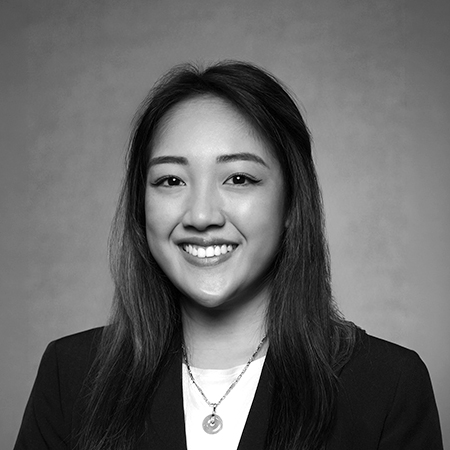
Victoria Dinh
Psychiatry at Oregon Health & Science University in Portland, OR
What led you to your specialty, and why this one?
Psychiatry felt like a natural fit for me long before medical school. From supporting friends through vulnerable moments as a competitive figure skater to working in a psychiatry clinic prior to medical school, I was drawn to the power of listening, presence, and connection. That interest fully solidified during my psychiatry rotation, where I loved the blend of diagnostic complexity and relational care, and how understanding a patient’s story can meaningfully shape treatment. What excites me most about psychiatry is how it brings together science, curiosity, and empathy, and creates space for real growth and healing. I’m excited to build a career walking alongside patients through challenging moments and helping them move toward healthier, more hopeful futures.
What have you been most proud of during your time in medical school?
I’m most proud of the personal and professional transformation I experienced throughout medical school. It challenged me academically and personally, often pushing me outside my comfort zone and strengthening my introspection and resilience. Through those challenges, I became more intentional in how I show up for patients and more grounded in the kind of physician, and person, I hope to be.
Who has been your most influential mentor during your medical training, and what did you learn from them?
I’ve been incredibly fortunate to learn from many mentors throughout medical school, including attendings, residents, interdisciplinary team members, and faculty who supported my growth at every stage. I’m especially grateful to my psychiatry mentors (Dr. Rebecca Allen, Dr. Laurie Arndorfer, Dr. Cortney Taylor, and Dr. Robert Axelrod), who modeled thoughtful, patient-centered care rooted in curiosity, humility, and genuine presence. Beyond medicine, my significant other has been one of my most influential mentors and greatest sources of support, reminding me to stay grounded and care for myself throughout training. I’m also deeply thankful for my parents, whose sacrifices and unwavering belief in me made this journey possible. Together, these mentors shaped not only how I practice medicine but who I strive to be as a person.
How do you hope to make an impact as a physician?
I hope to make an impact by practicing psychiatry in a way that slows things down and centers patients as people, not problems to fix. I want to help patients make sense of their experiences, especially those shaped by trauma, and work collaboratively toward care that feels safe, sustainable, and empowering. My goal is for patients to leave feeling more understood and more hopeful than when they arrived.
What innovative medical technology or treatment are you most excited about, and why?
I’m especially excited about emerging treatments in psychiatry, such as neuromodulation and psychedelic-assisted therapies, including psilocybin. These approaches offer new possibilities for patients with treatment-resistant conditions and challenge us to rethink how we understand healing, neuroplasticity, and recovery. I’m drawn to how these treatments integrate neuroscience with psychotherapy and patient experience, expanding the tools we have to support meaningful change.
What is one of your favorite memories from your time at the college?
There are so many favorite memories from medical school, but a few stand out: late nights studying in the anatomy lab with classmates, dinners with Dr. Johnson and Mrs. Johnson through our APM group, and all the memes shared within our class that kept us laughing through stressful times. I also cherished studying alongside my significant other and the simple moments of running into classmates (and friends from other classes) in the student lounge to catch up. Together, those everyday moments made medical school feel like a true community.
What advice would you give to incoming medical students?
Give yourself permission to continue prioritizing the things that matter to you outside of medicine, whether that’s time with loved ones, exercise, hobbies, or rest. Medical school is demanding, but fulfillment outside of medicine makes you a better learner and a more grounded physician. Also, trust the process! The discomfort, uncertainty, and challenges are where resilience is built, and where you grow not just as a student, but as a future physician and person.
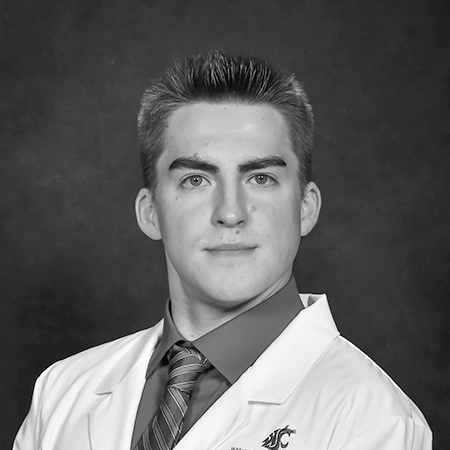
Vadim Dolgov
Internal Medicine – Preliminary at Billings Clinic in Billings, MT
What have you been most proud of during your time in medical school?
All the volunteer work! Whether it was mentoring high schoolers to seeing patients at a free clinic, it felt amazing to give back to my community while still in school.
Who has been your most influential mentor during your medical training, and what did you learn from them?
Dr. Evan Olson! He is the most efficient and detail oriented person on the planet while managing to be the most supportive. He showed me you’re never too busy to go above and beyond for others.
How do you hope to make an impact as a physician?
The goal has always been and will always be to improve as many patients’ worlds for the better by providing life-changing care.
What innovative medical technology or treatment are you most excited about, and why?
Localized gene therapy. It’s going to revolutionize the treatment of many progressively worsening diseases that at this point in time have to cure.
What is one of your favorite memories from your time at the college?
Studying with friends. Also, getting to wire a sternum shut was pretty neat.
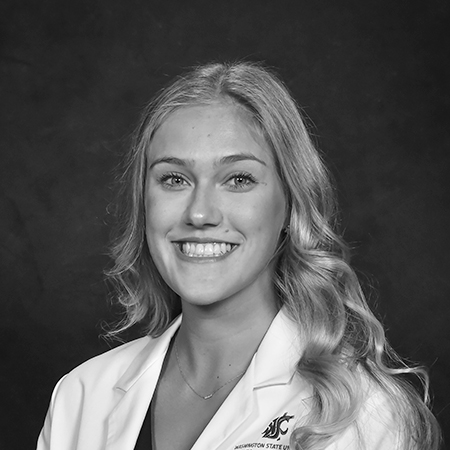
Anna Duncan
General Surgery – Preliminary at University of Washington in Seattle, WA
What led you to your specialty, and why this one?
I find so much purpose and fulfillment in anesthesiology. Anesthesiologists have such unique relationships with their patients because they are present for brief, yet critical moments in their patients’ lives. I love the controlled chaos and the art of anesthesiology. It is the perfect combination of medicine and procedures.
What have you been most proud of during your time in medical school?
One of my proudest moments in medical school was when the MA at my core family medicine clinic put my picture on the wall at the end of the year.
Who has been your most influential mentor during your medical training, and what did you learn from them?
My most influential mentor during my journey in medicine has been Dr. Mark Carlson, the urgent care physician that I scribed for before medical school. He built so much of the foundation of my medical knowledge and has taught me so much about compassionate patient care. I would not be where I am today without his mentorship, guidance, and support over the years.
How do you hope to make an impact as a physician?
I hope to be someone that makes patients feel safe and supported in the most uncertain moments in their lives.
What innovative medical technology or treatment are you most excited about, and why?
I am really excited about point-of-care ultrasound and all the ways it can be used to help evaluate patients and perform procedures.
What is one of your favorite memories from your time at the college?
One of my favorite memories from my time at the college is going on lunchtime walks along the river with my besties Hannah and Charlotte.
What advice would you give to incoming medical students?
Don’t compare yourself and your study habits to what other students are doing. Do what works for you!
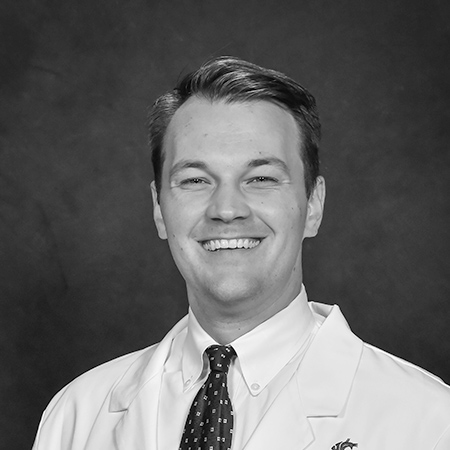
Scott Erickson
Physical Medicine & Rehabilitation at University of Utah Health in Salt Lake City, UT
What led you to your specialty, and why this one?
I choose physical medicine and rehabilitation (PM&R) as my specialty because of physiatry’s capacity to help patients not just live but thrive. This decision was shaped by my early experiences in medical school rotating with physiatrists at Providence Sacred Heart, where I saw how they helped patients with strokes, amputations, and spinal cord injuries find hope in the face of life-altering injuries. Time and again, I have seen how physiatry as a profession helps patients manage extremely difficult transitions, preserve identity and dignity, and maximize their functionality. As I look forward to residency and the years beyond, I am eager to contribute to the field’s goal of maximizing functionality and joy.
What have you been most proud of during your time in medical school?
I am most proud of my ability to keep up with the demands of medical school while balancing the well-being of myself, my family, and my friends.
Who has been your most influential mentor during your medical training, and what did you learn from them?
Dr. Carter has been an amazing mentor for both me and the Physical Medicine and Rehabilitation Interest Group. Over the past four years he and the rest of the faculty at St. Luke’s Residency have offered their time and expertise to myself and the rest of the interest group. Working with this group has been foundational to my empathy, passion for physiatry, and my desire to mentor other students.
How do you hope to make an impact as a physician?
My goal in medicine is to help others live their best version of their life. I hope to do that by offering the means to better functionality, decreased pain, and genuine human connection.
What innovative medical technology or treatment are you most excited about, and why?
PM&R has been making great strides in getting patient access to movement and exercise as a treatment early in the post-acute phase of recovery. I’m a strong believer in exercise as medicine as it allows patients to optimize their physical, emotional, and mental well-being and I feel we do patients a disservice by keeping them sedentary while they recover.
What is one of your favorite memories from your time at the college?
In fourth year I had the pleasure of being on the consulting service for a patient one of my classmates was managing. It was a great experience to work together on optimizing the care of a real patient, which demonstrated our growth over the years.
What advice would you give to incoming medical students?
It’s important to breathe during this process. Medicine is a marathon not a sprint, and taking the time to step back and find your balance so you can succeed in other aspects of your life is crucial.
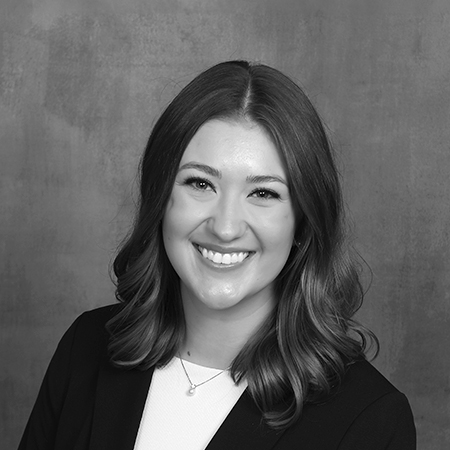
Madison Evans
Obstetrics & Gynecology at Trinity Health Ann Arbor Hospital in Ann Arbor, MI
What led you to your specialty, and why this one?
OB/GYN allows me to practice the full spectrum of medicine‚ deliver primary care in clinic, perform surgery, and manage emergent situations in the hospital. I find value in caring for patients during some of the most meaningful and vulnerable moments of their lives! This field is the ultimate intersection of advocacy and medicine, which has held my interest from the start of medical school.
What have you been most proud of during your time in medical school?
I’m proud to have nurtured long-distance relationships with friends and family, gotten married, and become a mother to a sweet baby boy.
Who has been your most influential mentor during your medical training, and what did you learn from them?
Without a doubt, Dr. Dawn Kopp. She is a hardworking physician, mother, researcher, leader, and advocate for her patients and students. She has walked by my side and encouraged me to follow my passion for OB/GYN since my first year.
What is one of your favorite memories from your time at the college?
Potluck study sessions! The weekend before our monthly exams, my friend group would hunker down on campus to study together. We picked a theme and went all out—there was enough food to last us all weekend, crock pots, panini presses, and more!
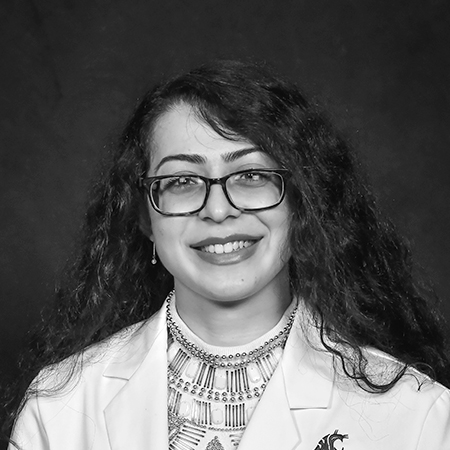
Mariam Farhat
Internal Medicine at Virginia Mason Franciscan Health in Seattle, WA
What led you to your specialty, and why this one?
I love the inherent detective work involved in internal medicine, and I’m always curious about the “why” behind things. I also really enjoyed my time in the wards and the people I was around, and was able to see myself continuing to enjoy my time throughout the years to come in this specialty.
What have you been most proud of during your time in medical school?
My family and friends have supported me the entire way, well before I was accepted into medical school, and I never could have done this without them.
Who has been your most influential mentor during your medical training, and what did you learn from them?
Dr. Grothaus. He exemplifies compassionate and empathetic patient care and encouraged learning from mistakes and moments of uncertainty, things that resonate with me and which I’ll carry forward throughout the rest of my training.
How do you hope to make an impact as a physician?
To be an empathetic and compassionate provider and advocate for my patients’ needs while meeting them wherever they are in their lives. I also hope I can be a mentor and provide support for the next generation of students similar to everyone who has done the same for me over these four years.
What innovative medical technology or treatment are you most excited about, and why?
The new biologics being developed for the treatment of IBD are exciting as they provide more options for patients who have failed current therapies and are generally well-tolerated compared with other medications.
What is one of your favorite memories from your time at the college?
Spending countless hours with my friends in the Health Education and Research Building (we practically lived there) as we studied, laughed, goofed around, had many serious conversations, and shared coffee and food while we were all trying to figure out how to handle the many things that came with being medical students.
What advice would you give to incoming medical students?
You’re only a medical student once in your life, so make sure to enjoy the process while making time for yourself. There will always be time to study and the work never ends, so there is nothing wrong with taking days off from the grind if you need them. There’s also many ways to study, so don’t feel like you have to do what everybody else is doing if it doesn’t work for you.
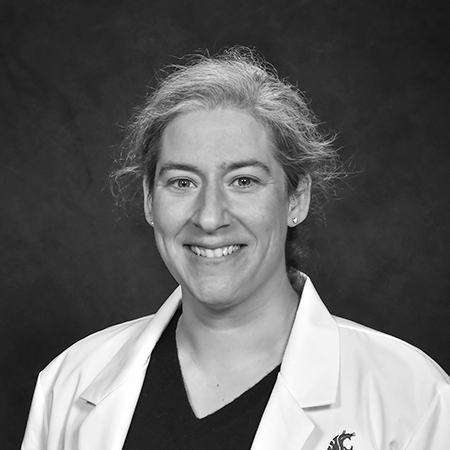
Megan Fine
General Surgery at Navy Medical Center in Portsmouth, VA
What led you to your specialty, and why this one?
I enjoyed my surgery rotations and being a part of the trauma chain of care.
What have you been most proud of during your time in medical school?
I am just so thankful to have been afforded this opportunity!
Who has been your most influential mentor during your medical training, and what did you learn from them?
Dr. Eric Johnson. He is a stalwart advocate and steadfast professional, who in the finest tradition of both leaders and teachers can help students see the importance of their role and responsibility to keep improving whether in struggle or success.
How do you hope to make an impact as a physician?
I hope to provide excellent care wherever I am and to whomever I serve.
What innovative medical technology or treatment are you most excited about, and why?
Robotics.
What is one of your favorite memories from your time at the college?
White Coat Ceremony.
What advice would you give to incoming medical students?
Do your best and learn as much as you can!
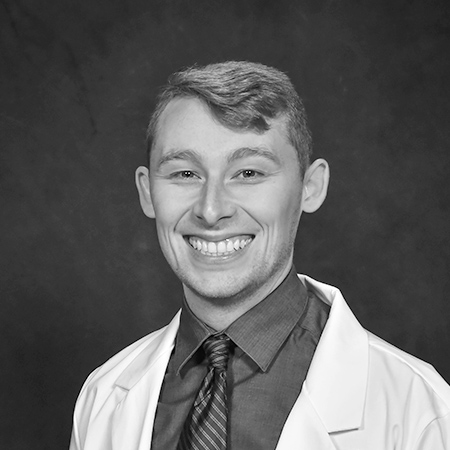
Tyler Flannery
Emergency Medicine at Medical College of Wisconsin in Milwaukee, WI
What led you to your specialty, and why this one?
Emergency medicine because I love the unpredictability. You never know what’s coming through the door. I really enjoy caring for undifferentiated patients, quickly identifying what they need in the moment, and determining the right next step in their care.
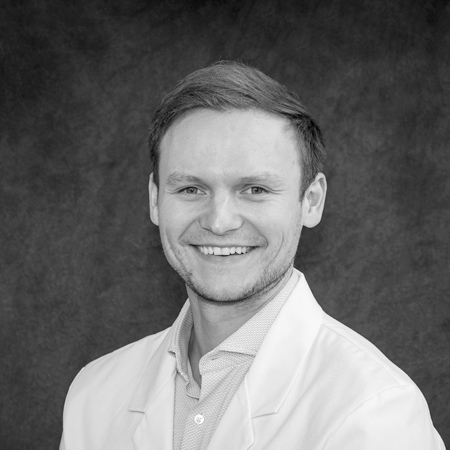
David Frolov
Internal Medicine at Lexington Medical Center in West Columbia, SC
What led you to your specialty, and why this one?
I love helping others, solving problems, and working with my hands.
What have you been most proud of during your time in medical school?
Starting a research center.
Who has been your most influential mentor during your medical training, and what did you learn from them?
Matt Porter got me started and deeply embedded in multiple research projects, as well as other projects that included SCALPEL, that helped me excel in my extracurriculars and give back to the community while a medical student.
How do you hope to make an impact as a physician?
Bring the focus on patient care back on the patients and their needs.
What innovative medical technology or treatment are you most excited about, and why?
I’m excited about the TAVR (transcatheter aortic valve replacement), the ability to replace the aortic valve without requiring the highly invasive open heart surgery, with a significantly reduced healing time.
What is one of your favorite memories from your time at the college?
Passing Step exams. Seeing all the information I learned in the classroom come to life and be vitally important in the clinical setting.
What advice would you give to incoming medical students?
Study hard.
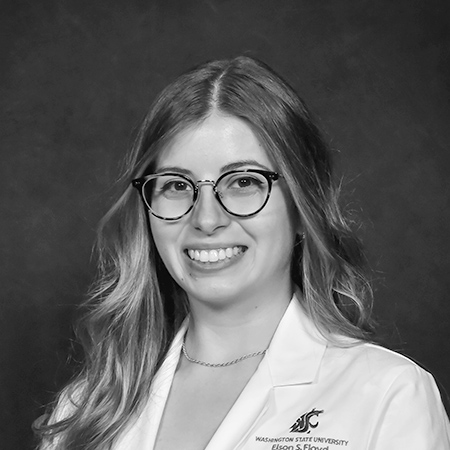
Paige Galvez
Internal Medicine at Providence Health in Portland, OR
What led you to your specialty, and why this one?
I chose internal medicine because I plan on specializing in endocrinology!
What have you been most proud of during your time in medical school?
The connections I have made with my peers and faculty.
Who has been your most influential mentor during your medical training, and what did you learn from them?
Dr. Joanna Breems. She has supported my growth as a physician since the start of my time at the WSU College of Medicine. I truly appreciate her dedication to my education, thoughtful feedback, and kind nature, and I hope to one day become as wonderful a physician as she is.
How do you hope to make an impact as a physician?
As someone living with type 1 diabetes and pursuing a career in endocrinology, I hope to make an impact through connection and advocacy for my patients in ways that meaningfully improve their lives.
What innovative medical technology or treatment are you most excited about, and why?
I am most excited about the Eledon trial in type 1 diabetes research where patients are successfully undergoing beta cell transplants. This is bringing us one step closer to a cure for type 1 diabetes, and I hope to see this available to adult and pediatric patients in the future.
What is one of your favorite memories from your time at the college?
Going to med prom and spending quality time with my friends.
What advice would you give to incoming medical students?
Trust the process. You’ll discover what works best for you and what you’re truly passionate about along the way. There will be trial and error at every step, but that’s how growth happens.
I have truly loved my time at the Elson S. Floyd College of Medicine and strongly believe in the college’s mission. I am proud to be a double Coug!
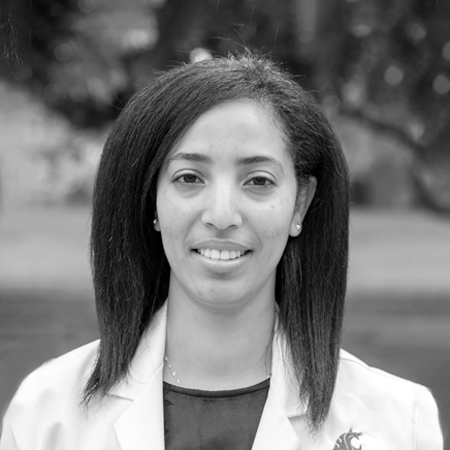
Solomie Ghebreegzabheir
Internal Medicine at Virginia Mason Franciscan Health in Seattle, WA
What have you been most proud of during your time in medical school?
I am most proud of the resilience and growth I demonstrated throughout medical school while remaining grounded in my purpose for pursuing medicine.
Who has been your most influential mentor during your medical training, and what did you learn from them?
Dr. Troiano and Dr. Hecker have been the most influential mentors during my medical training. From Dr. Troiano, I learned the importance of clinical excellence, accountability, and approaching patient care with both confidence and humility. Dr. Hecker has been my most influential mentor during medical school. Through her support and guidance, I felt safe to confront my fears, grow through challenges, and walk forward with courage and dignity. Her mentorship taught me that vulnerability is not a weakness, but a source of strength in medicine. By modeling compassion, professionalism, and thoughtful clinical judgment, they helped me build confidence in myself while remaining grounded in humility and patient-centered care.
How do you hope to make an impact as a physician?
I hope to make an impact by providing compassionate, equitable, and patient-centered care, particularly to underserved and immigrant communities. As someone who understands cultural and systemic barriers to health care, I aim to advocate for patients, improve access to care, and empower individuals through education and shared decision-making. I also aspire to contribute to medical education and leadership, helping shape systems that prioritize quality, equity, and collaboration.
What innovative medical technology or treatment are you most excited about, and why?
I am most excited about advancements in precision medicine and data-driven clinical decision tools. Innovations that integrate genomics, artificial intelligence, and real-time clinical data have the potential to personalize treatment, improve diagnostic accuracy, and reduce health disparities.
What is one of your favorite memories from your time at the college?
One of my favorite memories is working alongside classmates during clinical rotations and community service initiatives, where collaboration and shared purpose truly came to life. Supporting one another through challenging moments while celebrating growth and milestones created a strong sense of belonging. These experiences reinforced why I chose medicine and highlighted the importance of teamwork, empathy, and mutual support.
What advice would you give to incoming medical students?
Remember why you chose medicine and hold onto that purpose during challenging times. Be kind to yourself, seek mentorship early, and don’t be afraid to ask for help. Medical school is not just about mastering knowledge. It’s about developing resilience, empathy, and teamwork. Prioritize your well-being, stay curious, and trust that growth happens step by step.
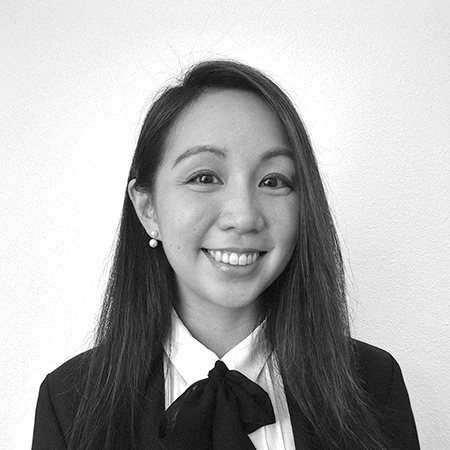
Amanda Gian
Internal Medicine at Brown University/Rhode Island Hospital in Providence, RI
What led you to your specialty, and why this one?
Internal medicine draws me for both its intellectual depth and its humanity. My attendings modeled how to approach complex patients not as burdens, but as multifaceted people with nuance and dignity. I thrive in inpatient settings, where I enjoy connecting seemingly disparate data points, exploring broad differentials, and constructing thoughtful assessments. Beyond the diagnostic challenge, I find meaning in translating complexity into language patients and families can understand. I see internists as the steady presence of the hospital, offering not only diagnoses but also reassurance, guidance, and continuity to help patients feel less alone in the uncertainty of illness.
Who has been your most influential mentor during your medical training, and what did you learn from them?
It would be difficult to name a single person, but I am especially grateful to my third-year preceptors Dr. Wyrick, Dr. Kissel, and Dr. Moreno, as well as my fourth-year preceptors Dr. Gilligan, Dr. Cotter, Dr. Nomura, Dr. Wabl, and Dr. Pedroja, whose guidance made my professional goals feel possible, attainable, and sustainable.
How do you hope to make an impact as a physician?
I aspire to be a physician who bridges complexity with compassion, listening not only to symptoms but also to the silences and stories that surround them. Through residency and beyond, I hope to learn, advocate, and leave each patient, team, and community a little better than I found them.
What is one of your favorite memories from your time at the college?
My favorite pre-clerkship memories in Spokane include powder days with some of the most adventure-loving humans I know, long runs and bike rides along the Centennial Trail, and a cozy bear-themed dinner party to celebrate Fat Bear Week.
What advice would you give to incoming medical students?
You belong here, and things will unfold as they are meant to. There will be overwhelming moments, but they will pass, and you will come to see just how resilient you are.
I am deeply grateful to my parents, my brother, and my dearest friends and family for their unwavering support and belief in me. I would not be here without them, and their love is the reason my light continues to shine.
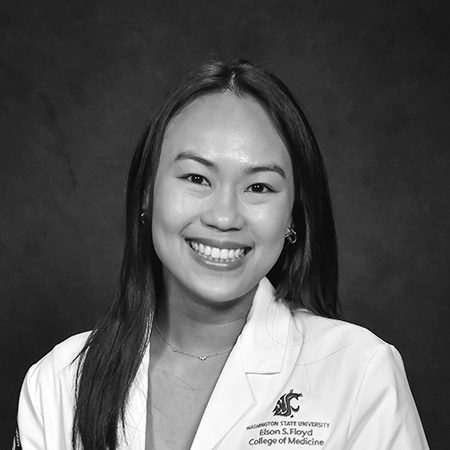
Sarah Goh
Obstetrics & Gynecology at Kaiser Permanente – Oakland in Oakland, CA
What led you to your specialty, and why this one?
When I witnessed my OB/GYN attending save both a mother and her baby’s life at 3 a.m., I knew there was no other specialty I wanted to pursue. OB/GYN offers this beautiful blend of surgery, obstetrics, and longitudinal women’s health. We get to build meaningful relationships and perform life-altering surgeries while still remaining deeply rooted in equity and advocacy. Truly the best specialty!
What have you been most proud of during your time in medical school?
My advocacy and organizing work with the Health Equity Circle, and building community and creativity with Humanities in Medicine!
Who has been your most influential mentor during your medical training, and what did you learn from them?
Dr. Judith Marcin. She is genuine, passionate, and truly an advocate for what’s right. She’s taught me to continue to see the humanity in medicine and has shown me that there are truly great people in this field. I cannot thank her enough for her belief in me as a student and for letting me run with all the ideas I had in med school.
How do you hope to make an impact as a physician?
I hope to eventually bring the excellent resident training I receive to those who are most in need. Whether that be through bettering access to women’s health, legislative advocacy, or improving equity within gynecology surgery, I want to continue to serve our communities who need us as physicians the most.
What innovative medical technology or treatment are you most excited about, and why?
I’m most excited about minimally invasive surgery and the opportunities within robotic surgery for gynecology surgeons! In addition, treatments like uterine transpositions fascinate me for its innovation and fertility-sparing alternative. I’m so excited to see what surgeons continue to improve on and hope that these innovative options can be distributed among communities most in need.
What is one of your favorite memories from your time at the college?
I can’t think of just one! However, I will say all my favorite memories consist of being with the wonderful friends I made. Pulling off lobby day, playing music with our band, weekly noodle dinners, existential late night convos, driving across the state for a concert—none of these would have happened without my truly amazing, incredible friends.
What advice would you give to incoming medical students?
Medical school is hard. There were moments that I really had to dig deep for that resilience. But make those moments easier by surrounding yourself with people who genuinely believe in you, build community where you can, and remind yourself of what truly matters–at the end of the day you will be saving lives!
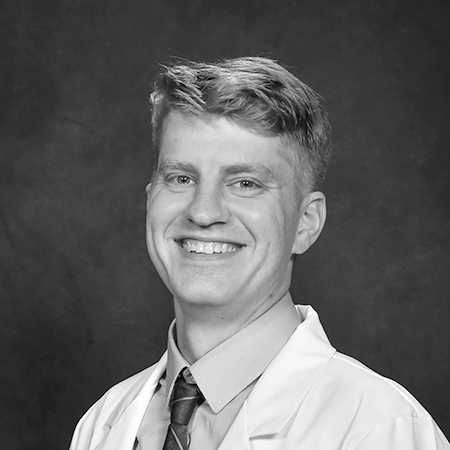
Zach Gottschalk
Internal Medicine at University of Washington in Seattle, WA
What led you to your specialty, and why this one?
As an internist, I’ll learn to be the “point person” for a patient. In the hospital, internists get to coordinate care as they treat each problem with the patient’s entire clinical history and context in mind. Outside of the hospital, they get to help patients navigate lifestyle interventions, screening, and health maintinence that keeps them healthy and out of the hospital.
Few other specialties offer the sheer breadth of internal medicine. I loved learning about every organ system in medical school, and I hated the thought of picking just one!
Finally, I plan to eventually become a hematologist/oncologist, and internal medicine offers the necessary training to eventually pursue that specialty.
What have you been most proud of during your time in medical school?
Political advocacy has always been important to me—I canvassed and phone banked for the first time when I was 14 years old. As a medical student, I have visited Olympia and Washington, D.C., several times to meet with legislators and advocate for health equity-centered policies to benefit and protect my patients and peers.
Who has been your most influential mentor during your medical training, and what did you learn from them?
For the last several years, Dr. Stacey Cohen has been a model of the type of physician I hope to be: an advocate for patients, an effective and accountable leader, and a thoughtful teacher. While working with her, I have learned about how to engage with research, foster a productive team environment, and meet patients where they are in their time of need.
How do you hope to make an impact as a physician?
As a physician, I plan to be a teacher for patients, peers, and future learners. I want to arm patients with information they can use to make critical decisions about their health. I also hope to continue to advocate for key policies to protect the most vulnerable members of our communities. Finally, I want to contribute meaningfully to our collective body of medical knowledge, helping refine future care for generations to come.
What innovative medical technology or treatment are you most excited about, and why?
Immunotherapy has turned the oncology world upside down, and promises only to be more impactful as we investigate and develop new immunotherapeutics. By the time I retire, perhaps immunotherapy will help turn all cancers into something we nearly always expect to cure.
What is one of your favorite memories from your time at the college?
My first day getting to treat a patient on the wards in third year was a blast. It felt like years of work had finally paid off.
What advice would you give to incoming medical students?
Genuine curiosity will take you further than anything else in this world.
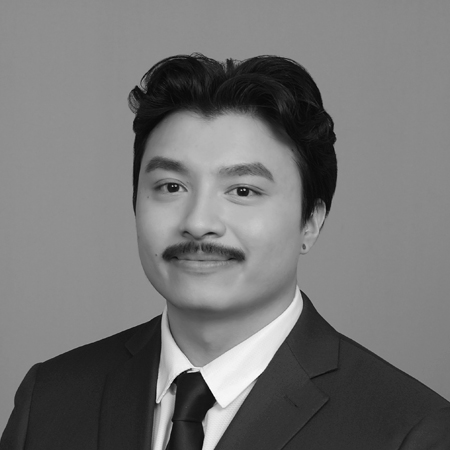
Khoi Ha
Internal Medicine at Oregon Health & Science University in Portland, OR
What led you to your specialty, and why this one?
I love how internal medicine trains you to think broadly while synthesizing multiple complex problems. I also love how teaching is tightly interwoven within the specialty and was inspired by the many mentors who guided me along the way.
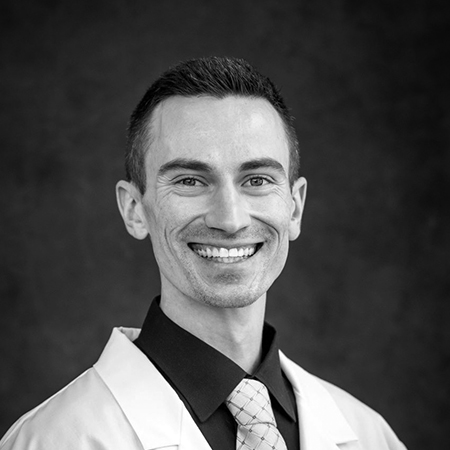
Rhod Kelly
Pathology at University of Arizona – Tucson in Tucson, AZ
What led you to your specialty, and why this one?
Solving medical mysteries at the cellular and molecular level has always fascinated me, and pathology is a field where you get to practice that day in and day out. Exploring the microscopic world and diagnosing disease at the finest level make pathology the perfect fit for me!
What have you been most proud of during your time in medical school?
My wife and I becoming new parents to two awesome kids!
What is one of your favorite memories from your time at the college?
In leadership class when we split the class based on personality traits and us outgoing folks did a huge choreographed dance number!
What advice would you give to incoming medical students?
It all starts to click and feel natural with time. Trust the process.
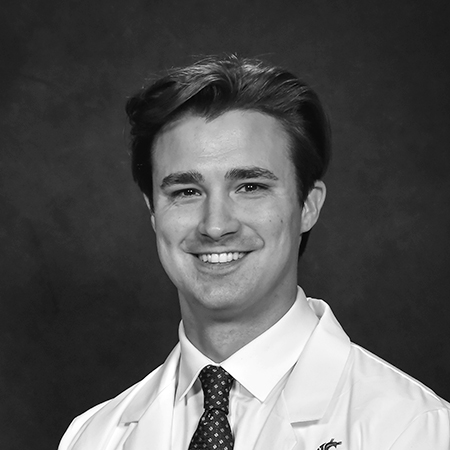
Mitchell Kennedy
Interventional Radiology at University of Washington & Duke University Medical Center in Durham, NC
What led you to your specialty, and why this one?
Interventional radiology (IR) blends minimally invasive procedures with cutting-edge imaging and technology, offering a dynamic career in a field that is rapidly evolving.
What have you been most proud of during your time in medical school?
Completing an Ironman 70.3 during third year while studying for shelfs.
Who has been your most influential mentor during your medical training, and what did you learn from them?
Dr. LaPrade guided me in being passionate for one’s profession and his dedication to research inspires me to likewise pursue a career as a research-oriented physician.
How do you hope to make an impact as a physician?
By not only caring for local patients by tailoring decisions to each individual’s needs and values, but further helping patients beyond my local community through health policy and research.
What innovative medical technology or treatment are you most excited about, and why?
IR has many intriguing developments in the field, and I’m very curious to see the developments from musculoskeletal procedures like genicular artery embolization and how they might benefit my orthopedic colleagues.
What advice would you give to incoming medical students?
Stay open minded and explore as many fields as possible during medical school‚ even those you do not plan to pursue‚ because you will work closely with many types of physicians, and understanding how they think will benefit your collaboration in the future.
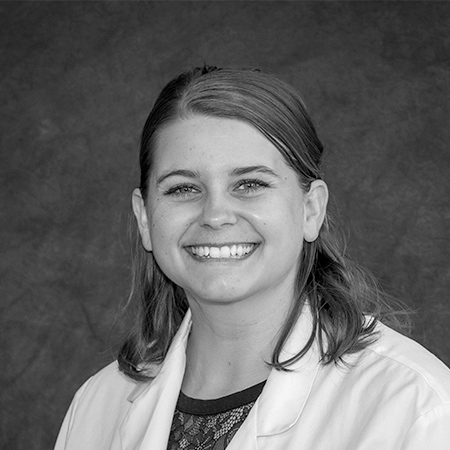
Leah Kooiman
Family Medicine at Adventist Health Ukiah Valley in Ukiah, CA
What led you to your specialty, and why this one?
Family medicine feels like where I was always supposed to be, even if I didn’t realize it on day one. I’m excited to get to satisfy my desire for variety and breadth of scope, see patients of all ages, build long-term relationships with patients (perhaps multiple generations of the same family), and really put down roots in a community in this role.
What have you been most proud of during your time in medical school?
My perseverance and my growth.
Who has been your most influential mentor during your medical training, and what did you learn from them?
Many to choose from, but first in my mind currently is Dr. Susan Hecker, who has consistently been a source of great advice (be it academic or just human) as well as a skilled cultivator of safe spaces that support my growth.
How do you hope to make an impact as a physician?
I hope to personally impact my patients’ lives, whenever they make contact with me or anyone in our health care team, by providing high quality medical care. I want to make an impact in my community by thinking beyond just the interactions the health care team and I personally have with our patients, and establishing and maintaining relationships with community partners, to target the social determinants of health outside of the clinic. I want to make an impact on the broader community and culture by acting and living my values, modeling the kind of neighborliness and cooperation and empathy that I want to see everywhere.
What innovative medical technology or treatment are you most excited about, and why?
When I look to the future in medicine and health care, what makes me hopeful or excited is the slow but steady shift in the direction of increased patient autonomy and respect for individuality and diversity. The move away from paternalistic medicine, a move that had already started before my time, and which I look forward to continue seeing develop.
What is one of your favorite memories from your time at the college?
I really liked participating in vaccine clinics—specifically one where I went with my APM facilitator to provide COVID-19 vaccines to elderly residents of an assisted living facility. In the latter half of my second year, having an opportunity to be doing something helpful and useful in the realm of medicine felt like a breath of fresh air, and reminded you of your priorities and the practical applications of what you’re learning.
What advice would you give to incoming medical students?
Med school is hard, but we can do hard things! Don’t overlook the importance of taking care of yourself, making sure that you’re doing all this figurative heavy lifting with a strong foundation.
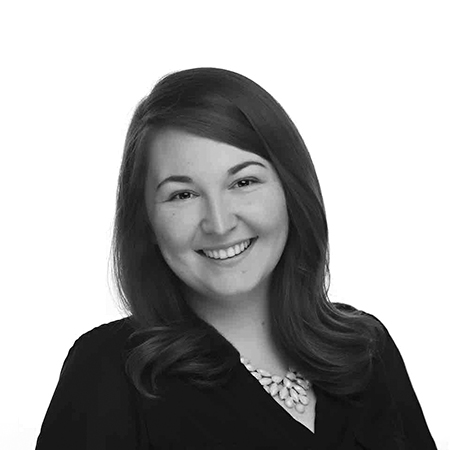
Tristen Lamb
Pediatrics at Mayo Clinic in Rochester, MN
What led you to your specialty, and why this one?
I am happiest in pediatrics! Pediatrics felt like home from the very start of clinical training. I love the mix of science, advocacy, and everyday joy. I love telling parents that they’re doing a great job when they’re feeling overwhelmed. I love watching children grow and heal. The work is serious and meaningful, but it also genuinely makes me happy to show up for kids and their families each day. Plus, there’s nothing more “upstream” or preventative than pediatric primary care! Pediatrics brings together my passion for equity, prevention, and protecting children in a way that feels both purposeful and energizing.
What have you been most proud of during your time in medical school?
I’ve been most proud of the friendships and community I found during medical school. Watching my peers advocate, lead, and care so intentionally gives me real hope for the future of medicine. Growing together through the highs and lows has pushed me to become not only a better student, but a better human. I’m also proud of myself for still being a present mom and spouse during the process!
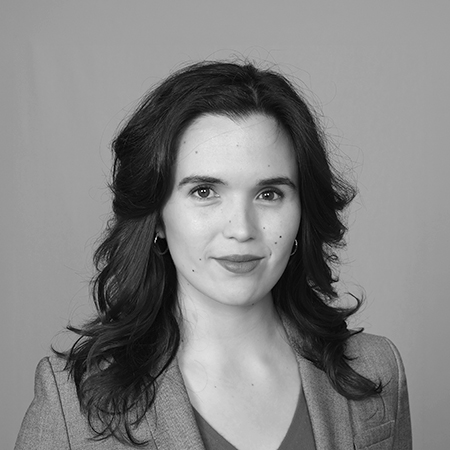
Gabriela León
Psychiatry at University of Washington in Seattle, WA
What led you to your specialty, and why this one?
My big sister has serious epilepsy and my dad was a neurologist, so I have been fascinated with the brain and how it impacts behavior since I was a little girl. It is an area of medicine that I know will easily keep me interested and it makes me excited that there is so very much mystery to it still, and maybe always will be. I decided I want to study the brain and care for patients as a psychiatrist because the field is exceptionally committed to emphasizing the patient as a whole person and both the biological and the non-biological factors that contribute to illness, which is a perspective that resonates with my values.
What have you been most proud of during your time in medical school?
I’m most proud that I’ve learned to prioritize family while still pursuing a demanding career. Early in medical school, I realized that work could easily fill every hour of the day, so I had to define for the first time what balance meant to me. Staying connected to my family—calling my mom daily, helping during my dad’s recovery from illness, supporting my sister—has required discipline and long-term perspective. It’s taught me to set boundaries, stay grounded, and keep sight of what truly sustains me, which I think ultimately will make me a better physician.
Who has been your most influential mentor during your medical training, and what did you learn from them?
Dr. Susan Hecker was serendipitously assigned to me as my preclinical coach, and I could have never imagined how great an impact she would have on my development. As a learner with ADHD, I was nervous as to how I would manage the demands of medical school. Her unwavering faith in me, high expectations for what I could achieve, and true kindness and solidarity over all four years have been a vital constant as I navigated not only new material but new life challenges.
How do you hope to make an impact as a physician?
I hope to be the unflappable, attentive psychiatrist who makes the field more equitable and effective through my research, and improves the lives of patients with serious mental illness and their families with rigor, humility, and humor.
What innovative medical technology or treatment are you most excited about, and why?
Culturally tailored interventions for ethnically and racially diverse patients with first-episode psychosis and their families. I am excited because this area is so ripe for improvement in outcomes and equity, and because these interventions demand the realism and pragmatism which are foundational to my approach to the practice of medicine.
What is one of your favorite memories from your time at the college?
Sitting at the Health Education and Research Building with my friends on a weekend, studying and drinking Arabic coffee, laughing and talking about everything under the sun.
What advice would you give to incoming medical students?
A mentor once told me, “You do a lot of living in medical school” and I have found this to be incredibly true. Embrace this period wholeheartedly—treat it not as something to get through, but as a rich social and intellectual time wherein you are permanently transformed.
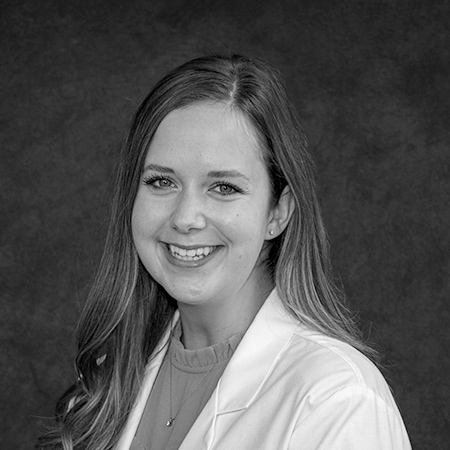
Georgie Linnell
Pediatrics at University of Oklahoma College of Medicine in Oklahoma City, OK
What led you to your specialty, and why this one?
Becoming a pediatrician is a dream come true! I have always had a love for children, the joy they bring to a room, their blossoming personalities, and their resilience. Being able to care for children and guide families during some of their most vulnerable times as well as triumphs is an honor.
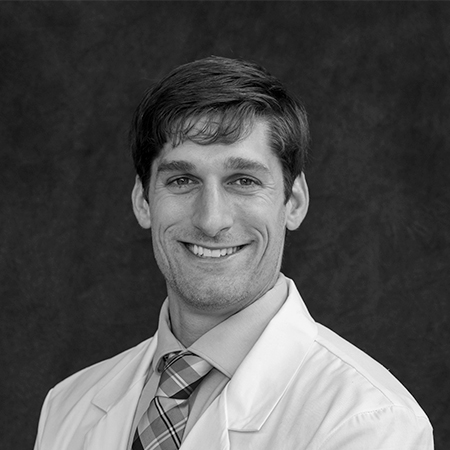
Bradley Martin
Family Medicine at Naval Hospital in Jacksonville, FL
What led you to your specialty, and why this one?
I love the relationships you can build with people and the breadth of medicine you can practice!
What have you been most proud of during your time in medical school?
The moments I have been able to positively impact patient care as a student have been very rewarding.
Who has been your most influential mentor during your medical training, and what did you learn from them?
Dr. Johansing taught me that family medicine doctors can take on complex cases and often took on difficult cases because no one else was abe to.
How do you hope to make an impact as a physician?
I hope to always be willing to be dedicated to work in places of need over personal comfort.
What innovative medical technology or treatment are you most excited about, and why?
Ultasound. While not a new technology the applications are expanding and I hope to be able to use it to get insight and diagnosis right in the clinic.
What is one of your favorite memories from your time at the college?
Long nights studying with (now) Dr. Jessica Jewel in the basement of the school. She made amazing drawings to help me understand some of the most difficult concepts.
What advice would you give to incoming medical students?
Try not to let the stress and difficulty of the testing take away from the parts of yourself that inspired you to become a physician.
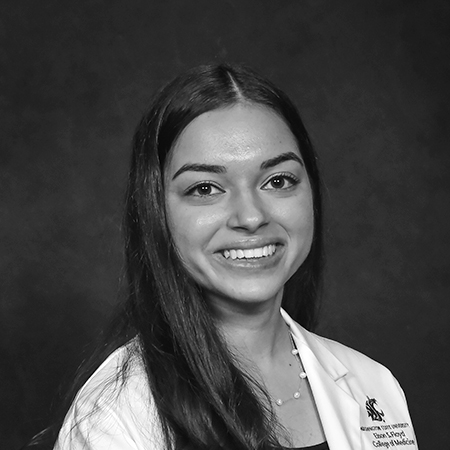
Tanya Merchant
Internal Medicine at University of California San Francisco – St. Marys Hospital in San Francisco, CA
What led you to your specialty, and why this one?
I was drawn to internal medicine due to my love for cardiology and wanting to pursue a cardiology fellowship after residency. By pursuing internal medicine, I hope to be an integral part of my patients’ healing process in the acute inpatient setting at their greatest time of need.
What have you been most proud of during your time in medical school?
I have been most proud of working with the Stevens County Mentorship Program to provide medical education outreach to students in rural areas and inspire them to pursue careers in medicine.
Who has been your most influential mentor during your medical training, and what did you learn from them?
My most influential mentor has been Dr. Kannabhiran, who I worked with during my cardiology rotation and showed me what it is like to be an excellent clinician and teacher. He took extra time to focus on teaching and providing advice for how to pursue a career in cardiology and I hope to model his approach to teaching when I become a preceptor one day.
How do you hope to make an impact as a physician?
I hope to combine an understanding of medicine and social barriers to provide patients with holistic care and continue staying engaged with outreach to vulnurable populations.
What innovative medical technology or treatment are you most excited about, and why?
I am most excited about the Affera ablation and mapping system for heart arrhythmias, which I saw during my electrophysiology rotation, as it provides a streamlined approach and faster procedures for patients with the combination of radiofrequency and pulsed field ablation in one device.
What is one of your favorite memories from your time at the college?
My favorite memory is meeting and living with my best friends through medical school!
What advice would you give to incoming medical students?
I would say although medical school can be extremely overwhelming and stressful, don’t forget to take enough time for yourself and spend time with your friends and family as much as you can.
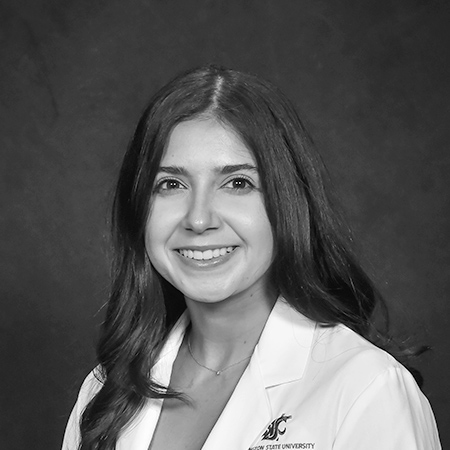
Lily Mireles
Internal Medicine at University of Washington in Seattle, WA
What led you to your specialty, and why this one?
I am excited to serve my community as an internal medicine physician!
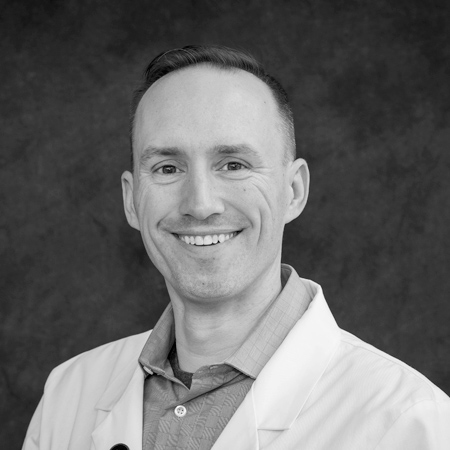
Nathan Monk
Emergency Medicine at Trinity Health System in Steubenville, OH
What have you been most proud of during your time in medical school?
Expanding my perspective to ask “What information am I missing?” has helped me become a better person both clinically and outside of medicine.
Who has been your most influential mentor during your medical training, and what did you learn from them?
Picking just one would be a disservice to the many. I have had the blessing of having multiple influential mentors through medical school. That being said, Dr. Hodges has been the crucially influential for multiple years prior to, and through, medical school.
What innovative medical technology or treatment are you most excited about, and why?
Even though it is not directly related to my specialty, I am most excited about the recent targeted cancer treatment advancements and how much they can improve outcomes for the future.
What is one of your favorite memories from your time at the college?
The people. I have made friends within this group of future colleagues that I know will stand the test of time and distance without fail.
What advice would you give to incoming medical students?
Build a schedule, ask for advice from others that have already completed the next step you are focused on, and do it early. Structure time for yourself.
Medicine is a journey, not a finish-line. SECOND: Do not focus on the finish-line. This is a journey, and it should be enjoyed as much as possible along the way. Hunt the good stuff!
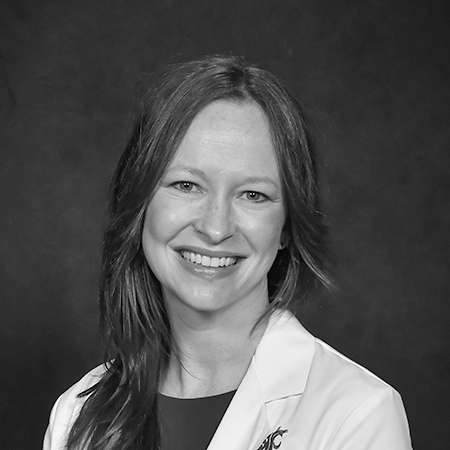
Kaylee Morgan-Paulsgrove
Obstetrics & Gynecology at Swedish Medical Center in Seattle, WA
What led you to your specialty, and why this one?
I was open minded coming into medical school, but quickly landed on OB/GYN during my third year rotations. The mix of surgery, hospital work, and clinic was exactly what I was looking for.
What have you been most proud of during your time in medical school?
Managing to balance school work, home life, and fostering friendships has been a highlight. I am proud of the relationships I have made over the last four years.
Who has been your most influential mentor during your medical training, and what did you learn from them?
Dr. Dawn Kopp was a pivotal part of my OB/GYN journey. She first mentored me during MedScholar, helping to strengthen my love for global health. She was also instrumental as I navigated away rotations, residency applications, and even my rank list!
How do you hope to make an impact as a physician?
I hope to do good medicine and be the doctor I wish I had as a young woman.
What innovative medical technology or treatment are you most excited about, and why?
I’m excited to be a robotic surgeon!
What is one of your favorite memories from your time at the college?
My favorite moments would be finding out each time one of my classmates succeeded at one of the major milestones. The simultaneous excitement and relief that we shared with each other showed just how much we all supported each other through this journey.
What advice would you give to incoming medical students?
Find balance. Learn how to learn for retention. Don’t forget to take care of yourself. Schedule your maximum amount of study time and schedule time for yourself and your family and friends. Pick a resource for Step 1 and start early with it. A little bit every day goes a long way, and this applies to both academics and personal time.
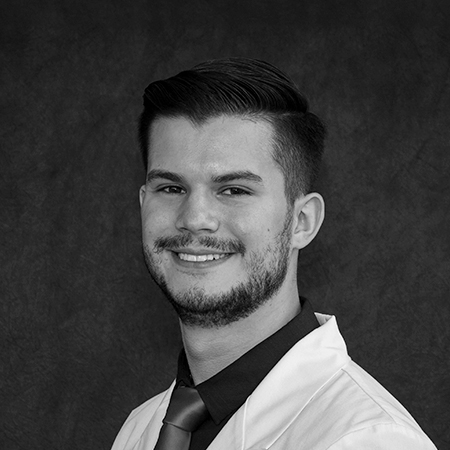
Douglas Nanu
Otolaryngology at Duke University Medical Center in Durham, NC
What led you to your specialty, and why this one?
Otolaryngology stood out to me because of its ability to significantly improve quality of life, sometimes right away. Whether it’s helping patients breathe better, removing a tumor or improving facial aesthetics, I believe otolaryngology has it all. Being able to see patients feel better quickly is something I found incredibly meaningful, motivating, and rewarding.
Who has been your most influential mentor during your medical training, and what did you learn from them?
I couldn’t choose one, that would be unfair. But I would say Dr. Shaun Nguyen and Dr. Michele Carr have been my most influential mentors. I was able to learn that there is more to applying to otolaryngology than just getting great grades and good test scores. There are many more variables that are just as important.
How do you hope to make an impact as a physician?
I hope to provide the highest quality of care by being compassionate and understanding of my individual patients’ needs.
What innovative medical technology or treatment are you most excited about, and why?
Probably INSPIRE! They keep coming up with need updates and making it better and easier for patients to use.
What advice would you give to incoming medical students?
You may come in knowing what you want to do but you will most likely change your mind and that is okay! I would also encourage exploring other lesser-known specialties that you might not get a chance to rotate in during your years at WSU to make sure you really get a grasp of what is out there. A few that come into my mind are otolaryngology, radiation oncology, and interventional radiology.
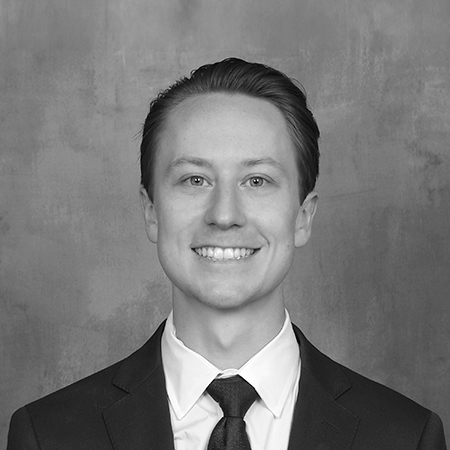
Josh Nay
Internal Medicine at University of Arizona – Tucson in Tucson, AZ
What led you to your specialty, and why this one?
I stumbled upon medical podcasts before medical school, primarily hosted by physicians trained in internal medicine, so I had some familiarity with the thought process of an internist as I entered clinical training. I find satisfaction in developing systematic processes in considering diagnoses and treatment options, as well as the many options available to internal medicine physicians.
What have you been most proud of during your time in medical school?
I am proud of my ability to remain curious and open-minded throughout medical school. This perspective has led to wonderful experiences I was not expecting, inside and outside of medicine.
Who has been your most influential mentor during your medical training, and what did you learn from them?
I am lucky to have benefitted from many mentors, all of whom demonstrated the qualities of the type of physician I aspire to become. These physicians uplift others, remain teachable, and strive to improve.
How do you hope to make an impact as a physician?
I hope to provide excellent care and make patients feel well cared for.
What innovative medical technology or treatment are you most excited about, and why?
Improvements in 3D intracardiac echocardiography for more precise procedures.
What is one of your favorite memories from your time at the college?
I enjoyed making memes after tests.
What advice would you give to incoming medical students?
You are on your own path and timeline. While you immerse yourself in medicine, adhere to your own priorities. Engage in hobbies outside of medicine. Spend time with loved ones. Enjoy the process.
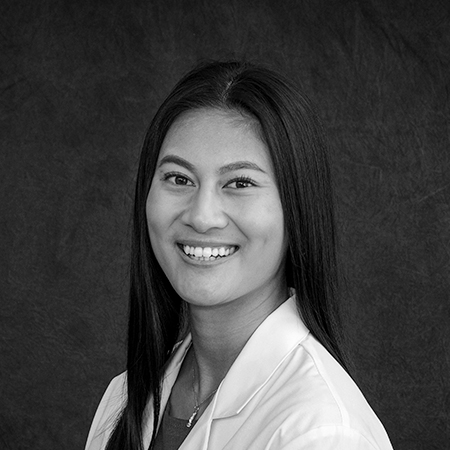
Alisha Nguyen
General Surgery at Bassett Medical Center in Cooperstown, NY
What led you to your specialty, and why this one?
The field of surgery emulates all of the qualities that I valued growing up in competitive sports: countless hours towards honing a physical craft, camaraderie, and personal growth. My decision to pursue this specialty was solidified on a rural surgery rotation when I witnessed how medical therapies would eventually fail a patient and an operation could provide immediate and sometimes complete relief. More importantly, I valued when patients were able to receive this type of care minutes from home as opposed to hours. This is why I am driven to become a rural or community general surgeon‚ to serve communities like the ones I grew up in and shaped who I am.
What have you been most proud of during your time in medical school?
I am most proud of the relationships that I formed along the way—faculty, colleagues, administrative staff, and most importantly my partner! These are all individuals who played an integral role in my time as a medical student and I am eager to stay in touch with them as my journey continues.
Who has been your most influential mentor during your medical training, and what did you learn from them?
My most influential mentors during my medical training are doctors Anjali Kumar, Eduardo Smith-Singares, Chris Hults, and Marques Johnson. As a first-generation medical student who has faced a lot of adversity before and during medical school, they never viewed my dream of becoming a surgeon as too ambitious or impossible. They always pushed me to my best potential and urged me to reach for the stars. My favorite advice that has been echoed by all of them is it’s not a matter of IF but WHEN.
How do you hope to make an impact as a physician?
The impacts that I hope to make as a physician are to: 1) increase diversity, equity, and belonging in health care for both employees and patients, amd 2) challenge existing stereotypes of what it means and looks like to be a successful physician.
What is one of your favorite memories from your time at the college?
My friends, partner, and I would always visit the coffee station by the administrative offices during our study breaks and as a result have gotten to form amazing relationships with many of the administrative staff. To this day, even though we are no longer students on the main campus, my partner and I will still make trips to Spokane to connect with our favorite people!
What advice would you give to incoming medical students?
Each student’s medical journey is unique to them and only that student has to endure the outcome of their choices. So do what makes you genuinely happy!
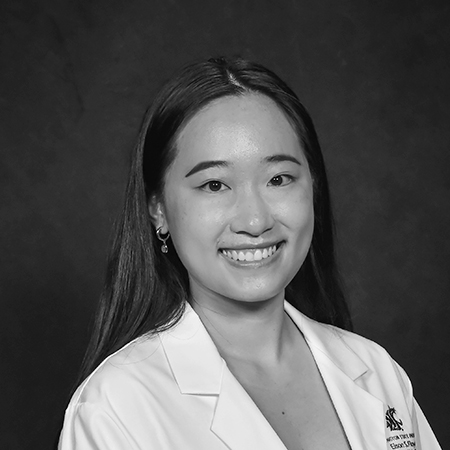
Nhi Nguyen
Internal Medicine at Virginia Mason Franciscan Health in Seattle, WA
What led you to your specialty, and why this one?
Growing up in a low-income household where health care is often a last resort rather than a preventative measure, I only came to recognize the value of primary and preventative care after my mother’s hospitalization. Whereas chronic health conditions are often managed in the outpatient care setting, it was through the acute care setting that my family learned about my mother’s chronic medical conditions. This contrasting experience was echoed by many of the underserved patients I cared for throughout my clinical years. These experiences, combined with my love for building longitudinal relationships with patients drew me to pursue internal medicine with the goal of the becoming the best primary care physician I can be.
What have you been most proud of during your time in medical school?
Overcoming a challenging period during my training, I gained a deeper understanding of myself and clarified the values that now guide how I approach medicine and life.
Who has been your most influential mentor during your medical training, and what did you learn from them?
Dr. Tehranchi who has encouraged me to find my voice and helped me to develop my confidence!
How do you hope to make an impact as a physician?
Given my interest in primary care, I am hoping to make lifestyle modifications more approachable and realistic for patients. I want to meet patients where they are at and introduce to them the tools to help them translate recommendations into actionable steps in their day to day life. My goal is to help patients be more engaged with preventative health!
What innovative medical technology or treatment are you most excited about, and why?
I am most excited about the prospect of utilizing continuous glucose monitoring as a tool to enhance diabetes dietary management in patients with type 2 diabetes! I believe in the power of on-demand visualization of how meal patterns, food, activity, stress, and illness impact blood glucose levels.
What is one of your favorite memories from your time at the college?
Getting to live out my dream of being a barista for a day serving up coffee in the student lounge for our winter holiday party.
What advice would you give to incoming medical students?
Find your people because they will save you during the toughest times in your training.
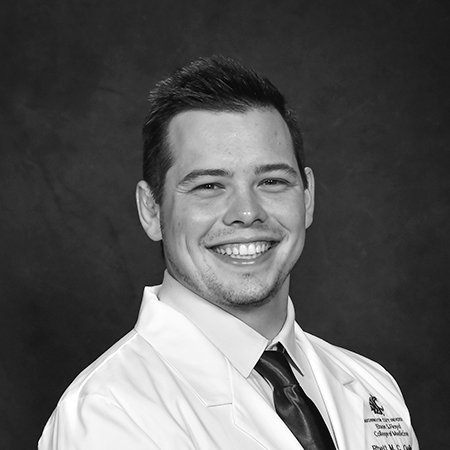
Rhett Oellrich
Internal Medicine at Madigan Army Medical Center in Fort Lewis, WA
What led you to your specialty, and why this one?
Throughout medical school, I realized that all aspects of medicine fascinated me and that managing complex patients challenged me, which led me to choose internal medicine as my specialty.
What have you been most proud of during your time in medical school?
I think the thing I have been most proud about has been my overall growth and development as a person. I have grown in knowledge and understanding of medicine but also how to be a better husband, brother, son, and friend.
Who has been your most influential mentor during your medical training, and what did you learn from them?
I have two mentors who were equally and significantly impactful on my learning and development. Both Dr. Mroch and Dr. Johnson helped guide me in developing both my clinical and medical skills as well as how to maintain the humanity and empathy in medicine and how to be observant and listen to patients.
How do you hope to make an impact as a physician?
I hope to make an impact by serving rural communities and being a calm voice of reason to help guide patients in their medical decision-making, keeping their goals at the forefront of the decision.
What innovative medical technology or treatment are you most excited about, and why?
The rapid advancement of medical therapies for diabetes and kidney disease is exciting and will provide for improved management of chronic disease. It brings hope to combat the rising diabetes rates and subsequent complications.
What is one of your favorite memories from your time at the college?
I don’t have one specific memory that comes to mind but there are many enjoyable moments. I enjoyed spending time with classmates at No-Li as well as spending time in the anatomy lab.
What advice would you give to incoming medical students?
Trust the process. The beginning is hard, and though it does not necessarily get easier, your understanding improves significantly as does your ability to manage the stress and demands of the training. Also, don’t be afraid to ask for help, whether that be with the content itself, accountability for studying, or learning how to balance to workload.
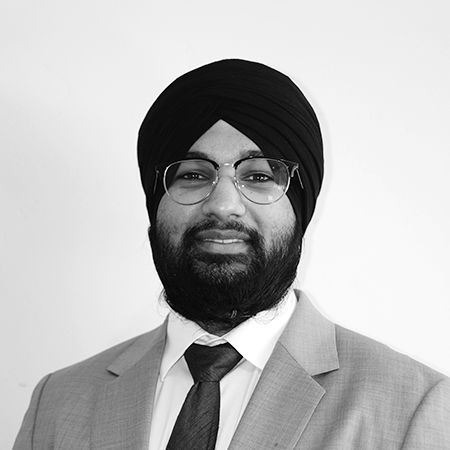
Kanwar Parhar
Orthopedic Surgery at University of California San Diego Medical Center in San Diego, CA
What led you to your specialty, and why this one?
Orthopedics is a field that helps people get back to the life they find meaningful. I’ve seen the difference this field can make in my own life and I would like to continue improving my patients’ quality of life moving forward.
What have you been most proud of during your time in medical school?
The personal growth and meaningful connections I made on this journey.
Who has been your most influential mentor during your medical training, and what did you learn from them?
Dr. Patrick Denard, to always ask why?
How do you hope to make an impact as a physician?
I hope to further the field of orthopedics and improve the quality of life of my patients through joint arthroplasty.
What innovative medical technology or treatment are you most excited about, and why?
MAKO robot-assisted joint arthroplasty! And hopefully shoulder MAKO during my training.
What is one of your favorite memories from your time at the college?
Our class house party after the first MKA!
What advice would you give to incoming medical students?
There is always more to study, always more research to do, and always more to add to your calendar. Take a step back and enjoy the journey, learn when to stop, spend time with family and friends!
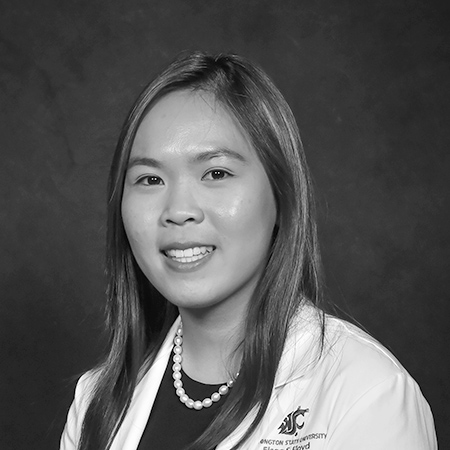
Christine Pham
General Surgery at SW Healthcare Medical Education Consortium in Wildomar, CA
What led you to your specialty, and why this one?
I have always been drawn to procedural specialties, but I had my most meaningful patient interaction on my general surgery/trauma rotation. This experience really solidified my choice. It is incredibly fulfilling to establish connections with patients and their families even as medical student with a small role on their care team. I am confident this will only continue to grow as I progress through my training.
What have you been most proud of during your time in medical school?
I am most proud of the knowledge and skills I have gained to serve my community. This encompasses clinical knowledge and research projects that contribute to existing literature.
Who has been your most influential mentor during your medical training, and what did you learn from them?
My most influential mentor is Dr. Shi Min Tan. We were originally paired up as mentor-mentee when I was in undergrad, and she was a medical student at the WSU College of Medicine. It was invaluable to have someone who had recently completed medical school and navigated the match process to guide me both personally and professionally.
How do you hope to make an impact as a physician?
I hope to make an impact by providing high quality evidence-based medicine and fostering meaningful interactions with my patients. My goal is to ensure that they feel supported and validated during their interactions with the health care system.
What innovative medical technology or treatment are you most excited about, and why?
I am most excited about the advancements in robotic and minimally invasive surgery! These innovations will allow for more surgical precision and provide a faster recover for patients.
What is one of your favorite memories from your time at the college?
My favorite memory from the college is the post-MKA brunches!
What advice would you give to incoming medical students?
I cannot understate the importance of mentorship and networking. I have benefitted tremendously from the guidance of attendings, residents, and upperclass students throughout this process and I truly would not be where I am today without their unwavering support!
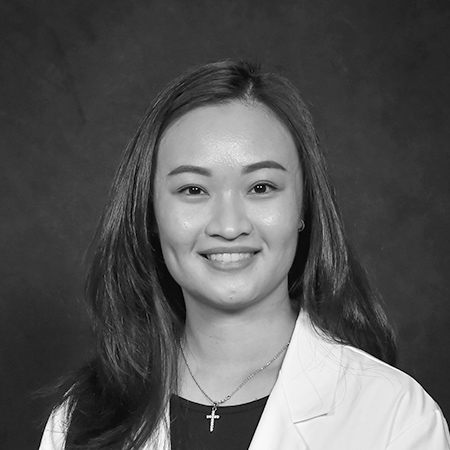
Quynh Phung
Internal Medicine at University of California Davis Medical Center in Sacramento, CA
What led you to your specialty, and why this one?
I was first introduced to internal medicine during our school’s clinical campus week in my second year, when I spent a day shadowing a hospitalist. I vividly remember sitting with a patient to explain what a pulmonary embolism was, even drawing out the vascular system to show how a DVT can lead to a PE and how we were treating it. That moment stayed with me. Internal medicine truly satisfies my curiosity. I get to think critically, feel rewarded when I solve diagnostic puzzles, and simultaneously care for patients during their most vulnerable moments.
What have you been most proud of during your time in medical school?
What I’m most proud of during medical school is the tremendous growth I’ve experienced throughout the journey. It hasn’t always been easy or comfortable, but those challenges have shaped me into a more resilient and thoughtful physician. Moments when patients thank me for my care, or even ask if I could be their primary care doctor after I graduate, have been especially meaningful and continue to remind me why I chose this path.
Who has been your most influential mentor during your medical training, and what did you learn from them?
I’ve been fortunate to have many influential mentors during medical school who have shaped where I am today. Dr. Eric Johnson, my APM instructor, taught me through his stories and wisdom gained from years of experience, especially the importance of perspective, reflection, and lifelong learning in medicine. Dr. Sena Killic, an interventional cardiologist, showed me what compassionate, patient-centered care looks like in a high-intensity environment. Despite a busy schedule, she consistently involved me in every aspect of patient care, modeling inclusivity, humor, and excellence. Together, they taught me not only how to practice medicine, but how to be present and human while doing it.
How do you hope to make an impact as a physician?
I hope to make an impact by being a physician patients trust and feel truly heard by. I also want to take on leadership opportunities to improve systems and support colleagues, so that together we can provide the best care possible.
What innovative medical technology or treatment are you most excited about, and why?
I’m excited about how AI is transforming health care. It’s already helping with note writing, interpreting labs in patient-friendly language, and reducing clerical burden. By streamlining these tasks, AI allows physicians to be more present with their patients, strengthening the human connection that matters most in medicine while also making health care management more efficient.
What is one of your favorite memories from your time at the college?
The daily trips to the coffee/tea station and the nights studying together in the anatomy lab.
What advice would you give to incoming medical students?
Be patient with yourself and trust the process. The journey through medicine is long and often uncomfortable, but it’s also filled with exponential growth, meaningful experiences, and lifelong lessons. Give yourself frequent breaks, hold onto your curiosity and remember why you started; those will carry you through the hardest moments.
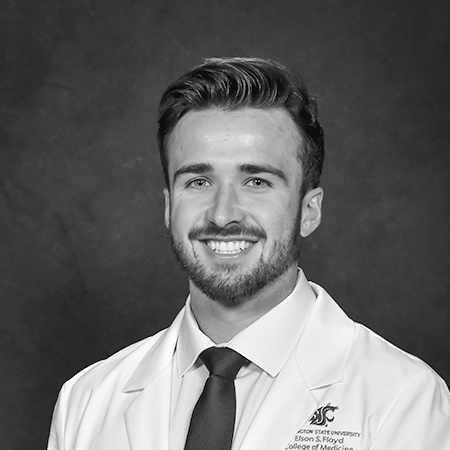
Conner Rath
General Surgery at Mayo Clinic in Phoenix, AZ
What led you to your specialty, and why this one?
For me, surgery is where passion and purpose meet. It is a specialty that holds the answers to all of my life-long questions. Surgery requires precision, decisive action, and the ability to lead a team through organization and chaos, qualities molded through my personal and professional experiences. However, it is also a field of service: to patients, to families, and to colleagues. I am eager to bring my drive, discipline, and passion to surgery. I hope to learn from a team that thrives under pressure, grow into the surgeon who will always “scrub in,” and who someone is always ready to face whatever challenge lies ahead.
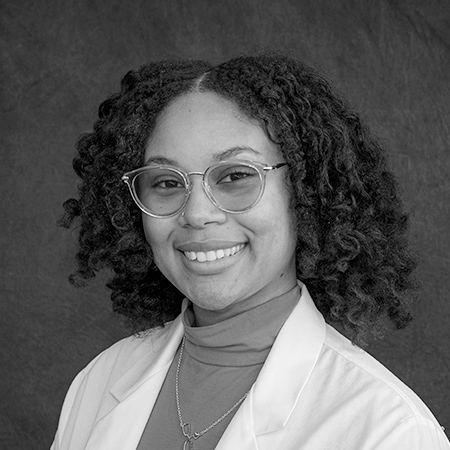
Shayla Reid
Internal Medicine at Oregon Health & Science University in Hillsboro, OR
What led you to your specialty, and why this one?
Internal medicine aligns with why I wanted to become a physician in the first place: to serve communities disproportionately impacted by health disparities. It allows me to treat complex medical conditions, challenge my critical thinking skills, and develop long-term relationships with my patients.
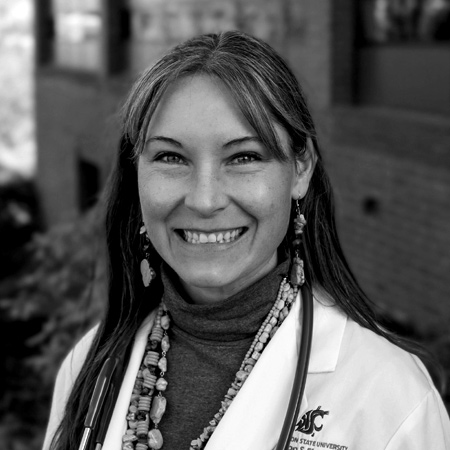
Chantelle Roberts
Urology at Penn State – Milton S. Hershey Medical Center in Hershey, PA
What led you to your specialty, and why this one?
Urology is the perfect blend of continuity of care and surgery. It allows you to treat a wide variety of disease processes that impact patient lives including cancer, fertility, and things that impact everyday functioning all while building longterm relationships. It is deeply meaningful work that has the ability to adapt to individual working restrictions and career goals.
What have you been most proud of during your time in medical school?
Raising my young family while advancing my education.
Who has been your most influential mentor during your medical training, and what did you learn from them?
My mother-in-law! She has taught me to keep an open mind, to continue to seek information with a curiosity for self betterment, to be true to myself, and to always work hard.
How do you hope to make an impact as a physician?
I hope to be a leader in humility.
What innovative medical technology or treatment are you most excited about, and why?
I am most excited about AI! As we advance and make new innovations for patient care, I hope the medical world is able to maximize the use of AI as a tool to best care for our communities.
What is one of your favorite memories from your time at the college?
The anatomy lab! I had the best lab group and our days in the lab were spent in excitement of discovery, growth, and camaraderie!
What advice would you give to incoming medical students?
Trust the system. Be adaptable, as things change quickly. Always ask yourself if you are maximizing your time spent during these few years in medical school as you have a lifetime of patients who depend on you.
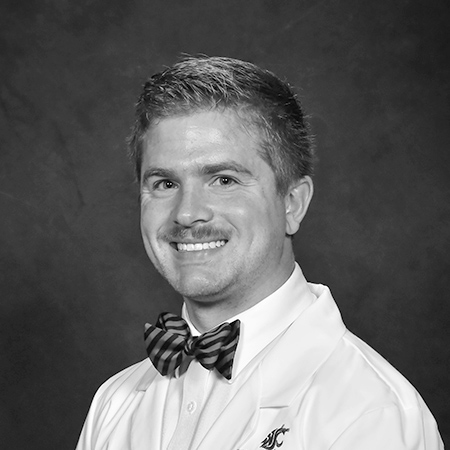
Charles Rutherford
Pediatrics at University of Arizona – Tucson in Tucson, AZ
What led you to your specialty, and why this one?
Pediatrics. Kids are the best!!
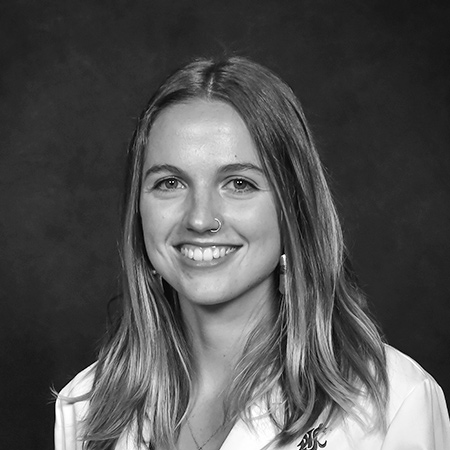
Lizzie Schjelderup
Psychiatry at Providence Sacred Heart Medical Center in Spokane, WA
What led you to your specialty, and why this one?
I love psychiatry because of the time and attention devoted to human connection. I’m excited about the intersection of psychiatric and neurological innovation on the horizon.
What have you been most proud of during your time in medical school?
I am most proud of being involved in the Health Equity Circle Harm Reduction Action Team and seeing all the work that others have done to continue providing needed services in Spokane.
How do you hope to make an impact as a physician?
Improving access to psychiatric care in Washington state and being an educator to future physicians.
What advice would you give to incoming medical students?
To keep an open mind. You never know where this journey will take you.
Katherine Slack
General Surgery at Virginia Mason Franciscan Health in Seattle, WA
What led you to your specialty, and why this one?
I chose general surgery because of the mentors I worked with who introduced me to the incredible breadth and depth of the specialty and trusted me with responsibility both inside and outside of the OR. I love the teamwork that general surgery requires and the opportunity to guide patients from diagnosis to recovery.
What have you been most proud of during your time in medical school?
I am most proud of the relationships and friendships I have formed throughout my time in Spokane.
Who has been your most influential mentor during your medical training, and what did you learn from them?
Dr. Hadley has been my most influential mentor because he introduced me to my future specialty of general surgery. As my first preceptor during the Longitudinal Integrated Clerkship, he taught me how to be an adaptable and proactive medical student who could meaningfully contribute to patient care.
How do you hope to make an impact as a physician?
I hope to make an impact as a community surgeon while contributing positively to multidisciplinary teams and mentoring future physicians in a supportive learning environment.
What innovative medical technology or treatment are you most excited about, and why?
I am excited about learning robotic surgery during residency because of its expanding role in general surgery. My hands-on experience has primarily been in open and laparoscopic cases, so I am looking forward to getting more involved in robotic cases.
What is one of your favorite memories from your time at the college?
My favorite memories are all of the fun times I spent with amazing friends. Some highlights were nights out exploring Spokane, watching movies and playing board games, going skiing at Lookout and Schweitzer, running Bloomsday, and going to Hoopfest.
What advice would you give to incoming medical students?
Remember to stay balanced. It is great to work hard and do your best, but it is also important to enjoy this time in your life and lean on those around you. Four years will go by faster than you think, so make the most of it!
Michael Stralser
Physical Medicine & Rehabilitation at Spokane Teaching Health Center & University of Washington in Seattle, WA
What led you to your specialty, and why this one?
I chose physical medicine and rehabilitation (PM&R) because it focuses on helping patients regain function and quality of life in a practical and patient centered way. I am drawn to the specialty’s emphasis on understanding how injury or illness affects a person’s daily life and how it creates realistic and individualized recovery goals. PM&R values long-term relationships and measures success by what patients are able to do, not just by imaging or lab results.
What have you been most proud of during your time in medical school?
Being able to see the growth from Year 1 to Year 4 and the immense amount of learning that occurred during that time.
Who has been your most influential mentor during your medical training, and what did you learn from them?
My family medicine preceptor Dr. Bethel. He taught me that slowing down and giving patients time and patience is essential for building trust and lasting relationships. It is something patients truly value and never forget.
How do you hope to make an impact as a physician?
By helping improve the lives of those in my community.
What is one of your favorite memories from your time at the college?
Touching a heart during CT surgery was unbelievable.
What advice would you give to incoming medical students?
Start early, but don’t make studying your entire personality. Be consistent, study efficiently, and focus on actually understanding the material so you’re not constantly playing catch-up. Protect your sleep and make time for things you enjoy because burning out helps no one. Medical school is a long game and the goal is to stay balanced, learn well, and still enjoy your life along the way.
Emma Stucki
Family Medicine at Albany Medical Center in Albany, NY
What led you to your specialty, and why this one?
I chose family medicine after I finished my sub-internship in Vancouver, Washington. I got to work alongside residents doing full-scope family medicine. They make such a huge impact on their patients and their community by providing patient-centered care that accounts for overlapping health needs and unique family and social context. Family medicine is a specialty where I can have variety, long-term patient relationships, and plenty of room to continue growing as my professional interests develop!
Ryan Tapio
Diagnostic Radiology at University of Texas at Austin Dell Medical School in Austin, TX
What led you to your specialty, and why this one?
Upon entering medical school, I planned to pursue a surgical specialty. I thought it would be a great fit for me since I have a background in construction and enjoy building things. However, during a third-year surgery rotation, a visit to the radiology reading room changed my mind. Radiology incorporates my love for anatomy and my visuospatial skills by solving complex problems in three-dimensional space. After completing multiple away rotations in radiology, I am confident that I made the right choice. The most interesting and challenging cases find their way to the reading room.
What have you been most proud of during your time in medical school?
Becoming a father in medical school and watching my daughter “be a doctor.”
Who has been your most influential mentor during your medical training, and what did you learn from them?
Dr. Julie Kaczmark. She has been the best advocate for educating and training future radiologists. I have learned to be persistent, make connections with people, and seek out opportunities to advance my knowledge and career.
How do you hope to make an impact as a physician?
Becoming an exceptional radiologist by detecting, diagnosing, and treating those in my community and beyond. I hope to advance imaging access and the field of radiology through continued process improvement.
What innovative medical technology or treatment are you most excited about, and why?
Photon counting CT and AI in radiology. Improving medical imaging accuracy and reducing radiation exposure are excellent advances for patient care.
What is one of your favorite memories from your time at the college?
Anatomy lab.
What advice would you give to incoming medical students?
Keep an open mind when pursuing specialties. Instead of putting pressure on working towards a certain specialty, focus on building a solid foundation and becoming a compassionate doctor. There are plenty of amazing experiences in third year—don’t be afraid to ask.
Evan Thomas
Interventional Radiology at Spokane Teaching Health Center & University of California Davis Medical Center in Sacramento, CA
What led you to your specialty, and why this one?
I enjoyed the variety of the specialty and its impact on patient care. I was pleasantly surprised to find that radiology is not just sitting in a dark room; it can be much more than that.
What have you been most proud of during your time in medical school?
Balancing professional and family responsibilities and having a kid!
Who has been your most influential mentor during your medical training, and what did you learn from them?
Dr. Kaczmark, Dr. Troiano, Dr. DeWitt, and Dr. Bunn. Collectively, these physicians were extremely kind to me and helped me navigate big decisions and/or taught me important clinical knowledge.
How do you hope to make an impact as a physician?
I hope to contribute positively to health care both clinically and via policymaking.
What innovative medical technology or treatment are you most excited about, and why?
I’m excited about 4D and molecular imaging since it has potential to greatly increase diagnostics.
What is one of your favorite memories from your time at the college?
Seeing babies be born on OB/GYN rotation because it made me happy to see the big smiles from the new parents, which reminded me of when my child was born.
What advice would you give to incoming medical students?
You can work hard AND have lots of fun and time for friends, family, or hobbies. If you have an idea of what you want to achieve, find people that are excited to support you.
THANK YOU to my wife Evelin and my Mom for all the support before and during medical school. I wouldn’t be here without all your love!!
Julia Todderud
Orthopedic Surgery at Mayo Clinic in Rochester, MN
What led you to your specialty, and why this one?
In orthopedics, I found a blend of craft and collaboration, technical skill, creativity, and the privilege of helping patients with a tangible, immediate impact. I love the opportunity to restore form and function, particularly as patients recover and return to what they love.
My most rewarding days were those filled by complex, engaging surgeries. Through these experiences I’ve seen that it is not only about the surgical correction, it is about helping people rebuild the parts of their lives that injury or illness have taken away. The heart of orthopedics is the people: patients whose goals shape their care and teams that work together to make it happen. My experiences have reinforced the privilege and responsibility of this work, with a love for the challenges of every chronic deformity and acute fracture.
What have you been most proud of during your time in medical school?
I am deeply proud of starting the SCOPE tutoring program at our school, building it from my initial idea to a thriving team of student leaders, bringing together mentorship and shared learning. I started developing the tutoring program beginning my first year, wanting to create a structured peer support system for curriculum and USMLE content. From funny mnemonics at exam review sessions, to baking dozens of cookies shaped like different red blood cells, to working with the incredible team that helped get the program going, I am so proud to have started this program that will last long after my time here and continue to build and grow. I am proud to have supported the learning for my peers, and to have paved the way for future learning and leaders.
Who has been your most influential mentor during your medical training, and what did you learn from them?
I am so grateful to have worked with and learned from Dr. Noelle Larson and Dr. Todd Milbrandt. They truly shaped my career and my love for this field. I hope to reflect their balance of quality patient care, innovation in surgery, leadership, and a joy and love for their work.
How do you hope to make an impact as a physician?
I hope to make an impact by pursuing surgical excellence while remaining deeply committed to patient-centered care. I hope to contribute as a mentor and educator, supporting my team and trainees the way my mentors supported me.
What innovative medical technology or treatment are you most excited about, and why?
AI offers exciting potential across so many fields and clinical applications, particularly in improving the accessibility of high-quality, comprehensive care.
What is one of your favorite memories from your time at the college?
Any moment with good friends. Whether study sessions over coffee, recapping hospital experiences, or enjoying days off, it is the people that made the experience.
What advice would you give to incoming medical students?
Find your people! And whenever you can, give grace to the people around you and yourself. This is a challenging road, so be kind to everyone, support your community, and know that everyone is learning and growing. In doing so, we are all better for it.
So much love and gratitude to my family and friends! I am so proud to be the first doctor in my family, and none of this would be possible without every incredible person in my life.
Jasen Valenzuela
Family Medicine at Swedish Medical Center (SeaMar) in Seattle, WA
What led you to your specialty, and why this one?
I have always had a desire to pursue a career in primary care. I have mainly been motivated by my knowledge of the great shortage of primary care providers in our state and country, and I hope to help fill that void and provide needed care to underserved populations. Additionally, I enjoy the rapport that primary care providers are able to build with their patients, seeing them over various years for checkups, acute illnesses, and any other concerns. For these reasons, I choose to pursue a residency in family medicine.
What have you been most proud of during your time in medical school?
I have been most proud of my ability to persevere. At different times during my medical education, I have encountered difficulties and daunting roadblocks, and I confess that there was even a time during which I questioned my ability to be able to meet graduation requirements. However, rather than giving up, I continued working, making adjustments as needed and doubling down on my efforts. In the end, thanks to my hard work and the support of the school, my mentors, and my loved ones, I was able to complete all graduation requirements and earn my MD.
Who has been your most influential mentor during your medical training, and what did you learn from them?
My most influential mentor during medical school was Dr. Jennifer Maxwell, a family medicine physician who works at the Yakima Valley Farm Workers Clinic. From her, I learned that while knowledge and study are important aspects of becoming a well rounded caregiver, the most important qualities of an effective primary care giver are the ability to listen and genuine care and regard for our patients. When we show our patients that we care and truly listen to their thoughts and concerns, their trust in us grows and we are able to develop a more effective therapeutic alliance, thus making any care more effective.
How do you hope to make an impact as a physician?
I hope to provide basic medical services, both preventive and curative, to patient populations that have been historically underserved, thus allowing them to live with less anxiety about their health.
What innovative medical technology or treatment are you most excited about, and why?
I am most excited about the adoption of point-of-care ultrasound in primary care training. In training primary care providers on how to operated and read ultrasounds, patients will have access to a type of imaging that is less harmful, less expensive, and faster to perform and read, allowing PCPs to quickly diagnose certain conditions and reducing the number of unnecessary referrals to other specialties.
What is one of your favorite memories from your time at the college?
One of my favorite memories was on the last day of second year when several food trucks came to campus. I was able to spend an afternoon with my peers and colleagues, sampling good foods and engaging in informal conversations. This experience was very pleasant, and it reminded me that an important aspect of education and medical practice is building connections with others.
What advice would you give to incoming medical students?
I would advise them to prioritize self care above all else. While everything one must do in order to become a physician is worth it, medical education is a long process full of difficulty and frustration. If one does not take the time to do things for themselves and rest when needed, then it is easy to get overwhelmed. However, if you are able to find the right balance between work and self care, then the process of becoming a physician will be less stressful and more enjoyable.
Solveig Viren
Emergency Medicine at Hennepin County Medical Center in Minneapolis, MN
What led you to your specialty, and why this one?
I was drawn to emergency medicine (EM) by the wide variety of patient presentations, each like solving a puzzle, the range of patients, some who may not interact with the health care system in any other ways, the large amount of procedures, the pace, and the people working in EM. It is the specialty that I am excited to be a part of every shift, and want to continuously learn and grow in.
What have you been most proud of during your time in medical school?
I have been most proud of my personal growth, and my ability to see and treat patients with empathy, care, and competence.
Who has been your most influential mentor during your medical training, and what did you learn from them?
My most influential mentor during my time at WSU was my research PI, Dr. Johansson, who showed how rewarding and insightful community-based research can be for both researchers and community members. This is something I hope to continue being involved in throughout my career as a physician, and something I believe will bring fulfillment throughout this time. My other most influential mentor was Dr. Johnson, my APM preceptor, who led conversations where people were able to share a wide variety experiences and thoughts on difficult topics in a safe and collaborate environment. This helped me stay open minded and also connect with others despite differences, something I think I grew in greatly during my time at WSU.
How do you hope to make an impact as a physician?
I hope to integrate public health and an understanding of social determinants of health into my practice as an EM physician to make an impact. I hope that through community involvement, research, and my clinical career I can help create change within my communities and department that create health equity and address gaps in the practice of emergency medicine.
What innovative medical technology or treatment are you most excited about, and why?
I am most excited about the various programs starting to use AI to help with charting. Charting takes up a huge amount of time in the medical practice, and streamlining this process can help providers spend more time talking to patients.
What is one of your favorite memories from your time at the college?
My favorite memories have been exploring the Spokane area with colleagues, from skiing, biking, and trying new restaurants and bars to studying at so many different local coffee shops. The connections I have made during my time at the college are very special, and I love that this program brought us all together.
What advice would you give to incoming medical students?
Trust yourself, and make sure to take care of your mental and physical health. Medical school is not easy, and as I learned throughout, if you don’t make time to do the things that fill your cup you will quickly become burned out. And talk to your colleagues—we are all in this together!
Amy Wang
Internal Medicine at University of Washington in Seattle, WA
What led you to your specialty, and why this one?
I absolutely loved my internal medicine (IM) rotations in third and fourth year, and it quickly became clear to me that this specialty is where I belong. I enjoy the way IM balances the science and art of medicine—its focus on understanding pathophysiology and clinical reasoning, in combination with its emphasis on caring for the whole patient, providing emotional as well as clinical support.
Who has been your most influential mentor during your medical training, and what did you learn from them?
Impossible to choose just one! But I have to shout out my parents, who have for many years given me the privilege of their love and support, as well as wisdom from their own careers in medicine.
How do you hope to make an impact as a physician?
I hope to advocate for my future patients, to listen carefully to their questions and concerns, and to work side by side with them to advance their health. I’m interested in medical oncology, and would love to work someday in both clinical medicine and cancer research, working to improve treatment options for the patients I am caring for.
What is one of your favorite memories from your time at the college?
Movie nights with friends, seeing the leaves in Spokane changing color in the fall, being on an L&D rotation and helping deliver a baby on my own birthday.
What advice would you give to incoming medical students?
There are truly “no stupid questions!”
Vivian Wei
General Surgery at University of California San Francisco – Fresno in Fresno, CA
What led you to your specialty, and why this one?
As a first-generation college student, my mom tried to dissuade me from pursuing medicine. At a young age, bearing the decision to stop all life sustaining measures and letting my grandmother go, I embraced my medicine as my calling. Surgery’s combination of grit, unparalleled vulnerability, leadership, and surgical craftsmanship has given me a purpose that aligns with who I am. It is not simply the technical mastery of sutures or anatomy, but an art form that integrates diagnosis, critical care, and intervention into a singular practice. I aspire to become a surgeon who draws on my diverse experiences to provide meaningful care and make a lasting impact.
What have you been most proud of during your time in medical school?
We had a patient who had just undergone a laparoscopic cholecystectomy but was readmitted for severe generalized abdominal pain and jaundice. At first, we couldn’t figure out what was wrong. Eventually, she was brought back to the OR for a second look and found to have an accessory duct that was leaking bile into her abdominal cavity. Throughout her entire stay, I went to check on her every morning and prior to leaving for the day. A year later, we saw each other again at the grocery store and she thanked me—just for showing up.
Who has been your most influential mentor during your medical training, and what did you learn from them?
Dr. Cristy Smith, cardiothoracic and heart transplant surgeon. I will never forget the moment I watched a beating heart fall into stillness. It felt counterintuitive—everything we’re taught to preserve in medicine, suddenly set aside. Later, I watched that heart beat again inside its new home and felt the extraordinary weight of what surgeons can do. Dr. Smith taught me that I want to be the kind of surgeon who not only masters the craft, but also honors the privilege of transforming lives with it.
How do you hope to make an impact as a physician?
I want to be able to be present and support someone through the best and worst days of their lives.
What innovative medical technology or treatment are you most excited about, and why?
AI in medicine!
What is one of your favorite memories from your time at the college?
Every winter, I would hold a get-together at my house and have close friends come over for hotpot.
What advice would you give to incoming medical students?
When things get hard, remember that once you dreamed of being where you are now. But at the same time, don’t lose yourself in the process. Live a little. Go on that roadtrip. Take the day off and go hike or snowboard and ski. School will always be there when you get back, but the experience might not.
Autumn Welker
Family Medicine at Virginia Mason Franciscan Health in Bremerton, WA
What led you to your specialty, and why this one?
I chose family medicine because I genuinely enjoy getting to know people and being part of their lives over time. I love the variety and challenge of caring for patients of all ages and backgrounds, including procedures, women’s health, and obstetrics. Family medicine offers the flexibility to shape a career that can evolve over time, which is something I find exciting. It’s a field where I know I’ll build meaningful relationships and make a real impact in my community.
What have you been most proud of during your time in medical school?
I am really proud of the fact that I was able to start a family during medical school. My daughter, Lily, is two now, and is absolutely thriving. Becoming a parent has made me a better person, and will make me a better future family doctor. I couldn’t have done it without the support of my husband, family, and friends.
Who has been your most influential mentor during your medical training, and what did you learn from them?
I have been lucky to work with so many wonderful people in my training so far, it is difficult to choose just one. The three primary care doctors I worked with during the Longitudinal Integrated Clerkship, Dr. Walls, Dr. McLaughlin, and Dr. Rauniyar have probably had the most impact on me. They were all excellent physicians who were passionate about primary care and cared deeply for their patients. While working with them I learned to listen more than I talk, trust my gut, and never stop being curious.
How do you hope to make an impact as a physician?
I hope to make an impact by being the kind of physician people feel comfortable with and trust over time. I want my patients to feel heard, respected, and supported, especially in the difficult times. By building strong relationships and providing practical, compassionate care, I hope to make health care feel more approachable and meaningful in my community.
What innovative medical technology or treatment are you most excited about, and why?
As a family medicine doctor, I am excited for some of the up-and-coming AI technology to assist in charting. So much of the burnout experienced by busy primary care physicians comes from the massive charting burden, so knowing there are tools to help with that now is a relief. The less time I spend typing or dictating, the more time I can spend making genuine connections with my patients.
What is one of your favorite memories from your time at the college?
My closest friends and I had study groups before each big test where we would all bring food and spend all day eating, studying, and making each other laugh. It made those stressful times much easier to get through. I am so grateful to have made such wonderful lifelong friends in medical school, and will treasure all of the time we got to spend together.
What advice would you give to incoming medical students?
Don’t put your life on hold during training. Work hard, but make sure you’re also making time for the people you love, continuing your hobbies, and pursuing goals outside of medicine. Life is short and family is only around for so long. Remember that best doctors are well-rounded people.
Michelle Yan
Internal Medicine at University of California San Francisco in San Francisco, CA
What led you to your specialty, and why this one?
Internal medicine was the field for me when I realized it had the kindest, most thoughtful people, offered a plethora of disease processes to learn from, allowed me to navigate both acute and chronic pathologies, incorporated my research interests in health equity—all while getting my steps in and having time for snack breaks!
What have you been most proud of during your time in medical school?
I’m most proud of continuing my work to improve language-concordant care, both locally in the Spokane community and by helping advance legislation for alternate language prescription labels in Washington state!
Who has been your most influential mentor during your medical training, and what did you learn from them?
Dr. Kevin Hatcher-Ross from my third-year clinicals. He gave me real autonomy to see patients and create plans, which pushed me to think independently and grow my clinical skills. What I learned most was how he balanced being an excellent teacher and physician with being fully engaged in life outside medicine, talking about politics, music, and the world, modeling what it looks like to be an exceptional clinician while never losing sight of what matters most.
How do you hope to make an impact as a physician?
I hope to build strong relationships with all my patients, for them to feel heard and fully capable of making the best decisions for themselves. I also intend to continue my work in health equity, whether by reducing language-based barriers in health care, improving awareness and access to preventative care, or advancing change through health policy.
What innovative medical technology or treatment are you most excited about, and why?
I’m excited about point-of-care testing that makes diagnostics quicker and more accessible, such as for HIV, providing results in minutes instead of days. I look forward to more innovations that reduce barriers to care in similarly practical ways!
What is one of your favorite memories from your time at the college?
One of my favorite memories is meeting the Chinese-speaking community members at our health fair in the Tri-Cities. It encapsulated the hard work of establishing a new student organization, connecting with folks and classmates who inspire me to continue developing my language skills, and engaging with the very people who ground me in medicine.
What advice would you give to incoming medical students?
Take time to find your people and really get to know yourself—your limits, where you thrive, and what brings out your best!
Lauren Zawacki
Pediatrics at Children’s Health, Naval Medical Center
What led you to your specialty, and why this one?
From an early age, I recognized that the pediatric office was a special place. Growing up as a twin, we were often treated as if we were one entity, but the pediatric office was the one place where I was recognized as my own individual. My pediatrician saw me and he knew me. He developed a close relationship between me and my mom that allowed us to not only discuss health-related issues, but tackle problems far larger than a strep throat. This allowed me to realize that physicians, particularly pediatricians, have a unique position that allows them to leverage the weight of their medical degree. They have immeasurable influence among their patients and families that extends far beyond the walls of a clinic.
During medical school and particularly during clinical rotations, I had the privilege of working with a diverse array of patients and treating a wide range of conditions. Time and again, I found myself drawn back to pediatrics. Pediatricians have the honor of shaping the lives of both the child and the family. How a pediatrician frames and addresses a situation will inevitably influence the outcome of the child’s future, just as it did for me.
This has solidified my desire to pursue a career in pediatrics. This specialty not only demands compassionate and empathetic care but also requires dynamic critical thinking and leadership skills that I believe are unparalleled in other specialties.
What have you been most proud of during your time in medical school?
While I have accomplished many goals during medical school including published research, I’m most proud of my ability to balance work and life. While I wasn’t always perfect in how I handled it, I still was there for the big moments like my best friend’s wedding and the birth of my nephew!
Who has been your most influential mentor during your medical training, and what did you learn from them?
Hands down Dr. Chris Anderson—not only has he instilled career-long clinical knowledge, he has always been there to bounce ideas off of, been my biggest cheerleader, and walked with me through most of my medical career.
What innovative medical technology or treatment are you most excited about, and why?
Hematology/oncology treatment in kiddos! I think in my career, we will have a curative treatment for sickle cell disease and many childhood cancers.
What is one of your favorite memories from your time at the college?
Where do I start? Some of my favorite memories occurred from late night/early morning study sessions. Whether I was studying by myself or in a group, you would always bump into other students. This often prompted shared snacks, dance parties, and sharing memes.
What advice would you give to incoming medical students?
As soon as you stop comparing yourself to other students and focus on what you’re passionate about, medical school will become easier. While I’m still working on it myself, there’s no “one way” to do medical school. You’re there for a reason, you know yourself best!