Residency Life
As noted in our mission statement, we want to develop exceptional physicians, fulfilled individuals, and innovative leaders. In multiple ways, we make a real effort to respect residents’ time, improve their work experience, and encourage them to lead rich lives in and out of the hospital.
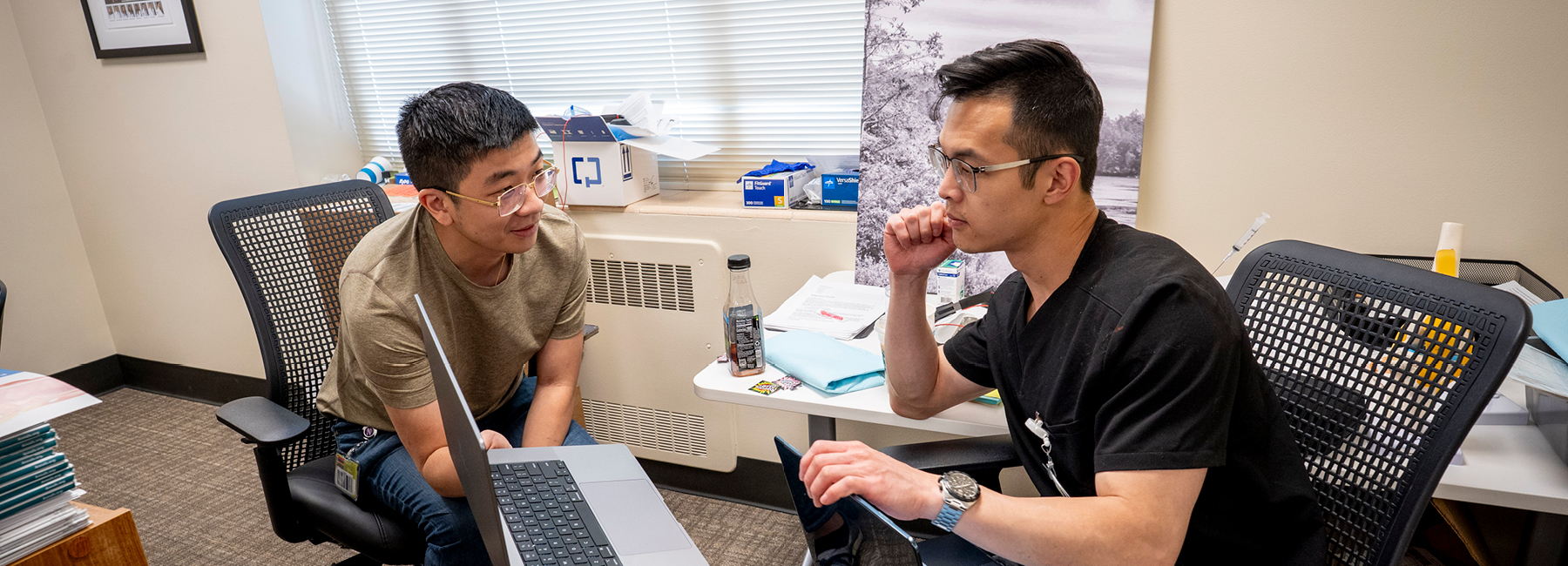
Both the program leadership and attending physicians are easily accessible, supportive, open to new ideas, and heavily invested in resident education. Attendings provide a nice balance of support and autonomy, giving residents graduated responsibility as their clinical skills improve. On inpatient months, subspecialty attendings are amiable and accessible for consultation. Electives provide further opportunities for working one-on-one in an outpatient environment. Whether planning a career in general internal medicine or aiming for fellowship training, these relationships can be incredibly valuable.
Day-in-the-Life of a Resident
Get an inside look at what a day looks like as a Resident in the Internal Medicine Residency Program – Everett.

Salary & Benefits
Washington State University, Elson S. Floyd College of Medicine offers a variety of comprehensive benefits to eligible trainees (residents and fellows) and their families.
Living in Everett, WA
Everett is a charming community located about 30 miles North of Seattle and just over 100 miles South of Vancouver, BC, Canada. An ideal location to enjoy outdoor recreation and activities.
Wellness Resources
The residency program aims to bring awareness to the importance of resident physician well-being and support resident efforts to be healthy, build resiliency, and find meaning and joy in their work. Activities supporting our resident wellness include:
- Resident-run Wellness Committee with sponsored events throughout the year
- A peer mentoring and leadership program (resident developed for AY 26-27)
- Resources that support holistic wellbeing—emotional, mental and physical health
- Social gatherings and networking opportunities for residents and their families
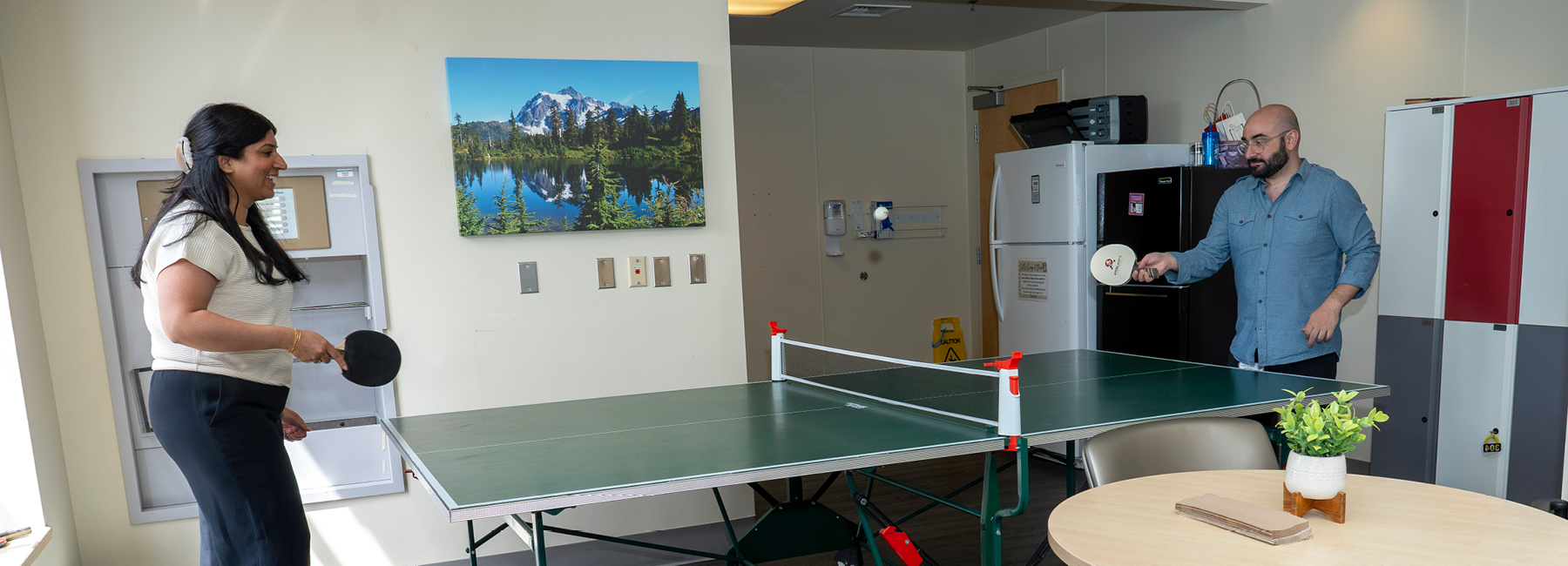
- Healthy food and snacks in the staff lounge
Wellness Program
Wellness and well-being are among the highest priorities for our residency program. Currently spearheaded by Tess King, MD and residents on the Wellness Committee, our program hopes to inspire a culture of wellness throughout the three years of residency by supporting resident-led wellness initiatives including:
- COMPASS rounds (protected time for structured peer support group sessions) for interns and residents who are on inpatient rotations
- Protected wellness half days for residents on ambulatory block
- Tend Health counseling services for physicians, paid for by the program
- Twice yearly service events focused on team building and community service
- Arts in Medicine Talent Show
- Wellness Committee sponsored social events (examples include apple picking, Friendsgiving, Halloween costume contests, to name a few)
Coaching Program
The WSU Everett IM Residency Coaching Program pairs each resident with a faculty coach who is embedded in the Clinical Competency Committee. These coach-coachee pairs meet between two and four times a year to create and review progress on individualized learning plans based upon resident’s clinical and career goals, as well as rotation and clinical competency committee evaluations.
Clinic Pod System
Each resident is assigned a longitudinal clinic “pod” composed of a mix of PGY1-3 residents and an outpatient core faculty member. Residents stay with their pod for all 3 years of training. Pod faculty provide longitudinal outpatient clinical skills development and coaching both during and in between clinic visits.
Mentorship Families
Developed by PGY2 Nolan Herron, the goal of mentorship families are to 1) increase inter-class and intra-class connections between residents, 2) provide PGY2s and PGY3s with near-peer mentorship experiences, 3)encourage residents to practice setting and achieving SMART goals during training, and 4) hold space for residents to share common residency-related experiences. Mentorship families are composed of ~6 PGY1-PGY3s who meet at least once every 8 weeks during protected mentorship family time. Each mentorship family session is facilitated by the family’s PGY3 residents.
What Residents are Saying
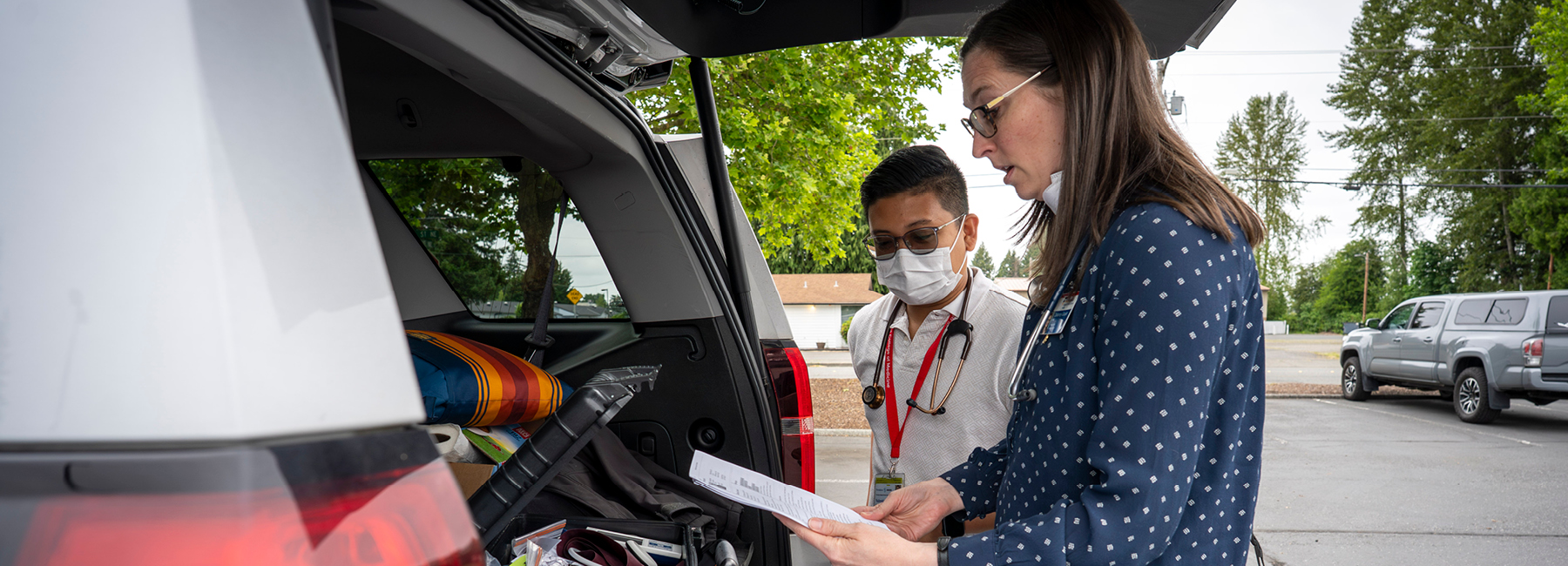
Providence Regional Medical Center in Everett is a very beautiful hospital with well-equipped hardware and software. Our training is supported by not only our faculty and staff but also by the entire hospitalist team, specialist, pharmacist, and nurses. We have an amazing nurse and pharmacist team that gives us strong support in patient care. Our patient population is very diverse with different ethnic backgrounds and socioeconomic statuses, and the program emphasizes community outreach through programs including Mercy Watch, a street medicine program tailored to provide medical care to people without housing and to those who cannot travel to the hospital. To be able to provide care for them makes me feel happy and makes me realize the real meaning of my career.
– Bo Peng, MD, PhD
At Providence Regional Medical Center, you genuinely feel that these people are investing in you and care about your success. During my first week, I couldn’t count how many times I’d been checked in on to ask how I’m doing. It makes you feel valued and that goes a long way towards your overall wellness. The pairing of mentor with mentee was done very intentionally. My mentor and I seem to be cut from the same cloth so to speak. We were able to hone in on both short-term and long-term goals and plans moving forward. The program also fosters this attitude of ‘If you’re interested in something, let’s make it happen!’ and it’s really refreshing to feel that support.
–Nigel Jagoo, DO