Curriculum
Broad Clinical Experiences
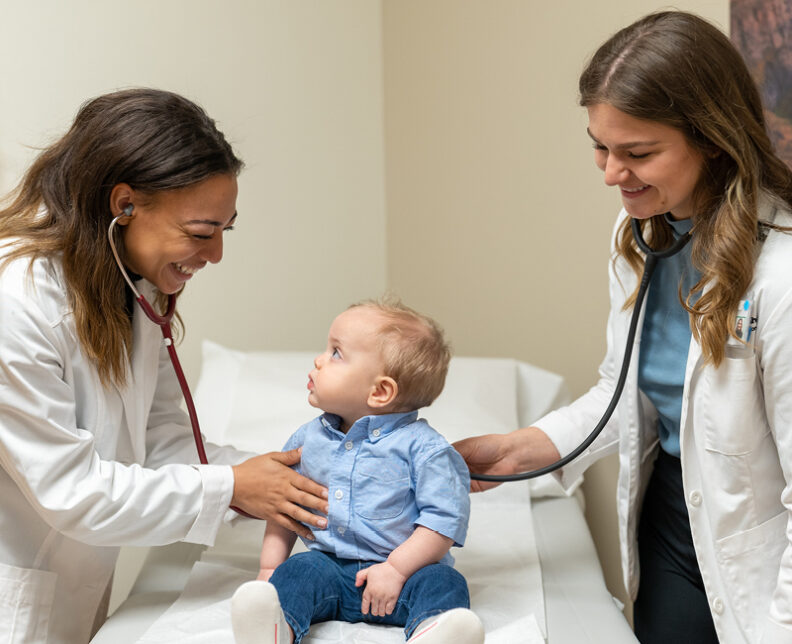
We train lifelong, adaptive learners who are prepared to work in any future environment. Our longitudinal curriculum effectively simulates the day-to-day experience of a full-spectrum family medicine physician, filled with a variety of experiences and patient encounters.
We are deeply committed to helping each resident discover and pursue the areas of medicine that inspire them. We empower residents to shape their training with our pathways and build the career that fits their goals and passions.
Continuity Clinic
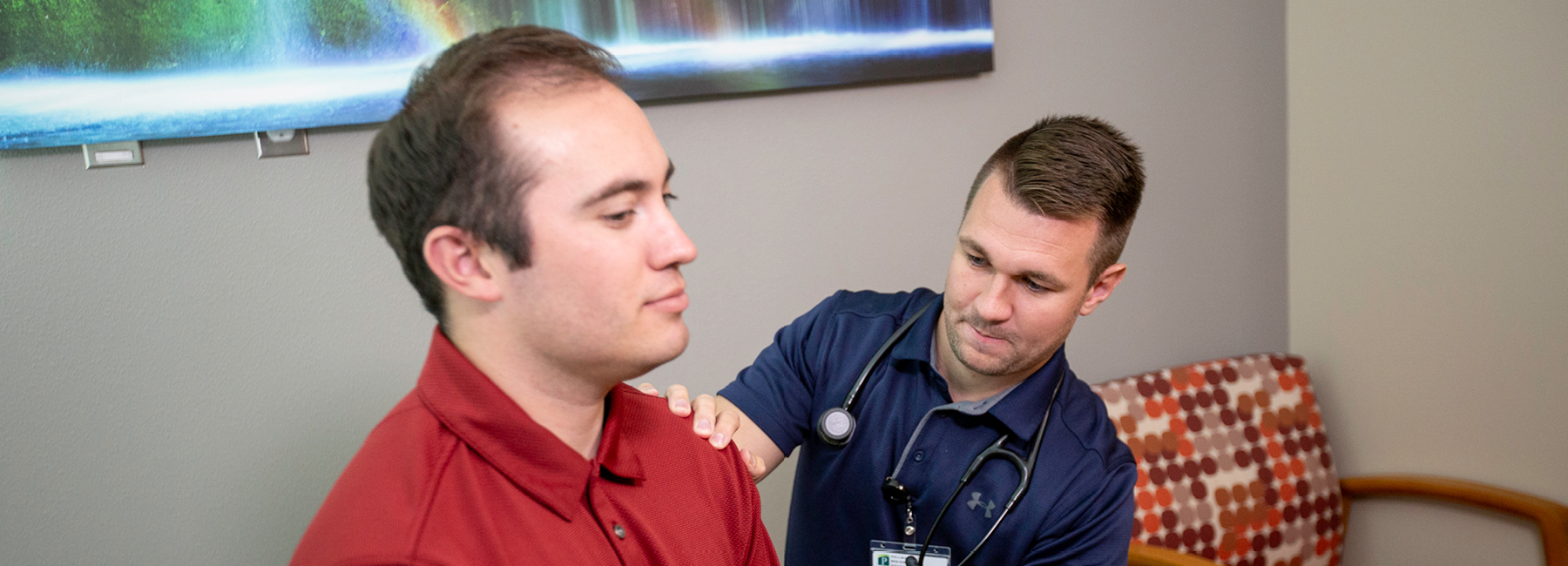
The heart of our curriculum is the Family Medicine Residency Center, where residents practice four half-days per week all three years. Residents learn how to care for patients of all ages and needs while gaining clinical experiences that vary from wellness visits to maternity care to management of complex medical conditions. Outpatient procedures are performed within the Residency Center in one of the spacious procedure rooms.
Residents integrate time in the clinic with mini-blocks and longitudinal rotations, giving variety to their days and simulating their future practice in a rural environment.
Residents are assigned to one of two clinic pods, which encourages team-based collaboration and provides increased continuity for patients. Each pod consists of PGY1-3 residents and core faculty members.
Clinic rooms are set up with VALT video learning capability to enable direct observation of patient encounters. This allows comprehensive and timely feedback of clinical skills.
Our clinic also has an integrated behavioral health specialist who is available to support care provided by resident physicians through warm hand-offs and targeted treatment of behavioral health conditions.
Orientation
The start of employment begins the last week of June of each academic year. Resident physicians will receive orientation to Washington State University as well as Pullman Regional Hospital services.
Core Skills Month
Month of July in PGY1 year. The experience will include varied settings of classroom didactics, hands-on skill training with both standardized patients and models, continuity outpatient clinic, POCUS workshop, and introduction to different services throughout the community where residents will be living and working. Certifications including ACLS, BLS, PALS, ALSO, and NRP will be obtained during core skills rotation as well.
Rotations
All residents will be dual licensed through both the state of Washington and the state of Idaho as the Pullman Regional Hospital network extends across state lines.
| Rotation | Total Time |
|---|---|
| Core Skills | 4 weeks |
| Inpatient | 12 weeks |
| Pediatric Outpatient | 4 weeks |
| General Surgery | 4 weeks |
| OB – Spokane | 4 weeks |
| Sub-Specialty Selective | 4 weeks |
| Orthopedics | 4 weeks |
| ER | 8 weeks |
| Cardiology | 2 weeks |
| Radiology | 2 weeks |
| Vacation | 4 weeks |
| Rotation | Total Time |
|---|---|
| Women’s Health | 4 weeks |
| Psychology | 4 weeks |
| Geriatrics | 2 weeks |
| OB/Newborn – Pullman Regional Hospital | 4 weeks |
| ER | 4 weeks |
| Inpatient | 8 weeks |
| Pediatrics – Outpatient | 4 weeks |
| Pediatrics – Inpatient Spokane | 4 weeks |
| Sports Medicine | 4 weeks |
| Health System | 2 weeks |
| Elective | 8 weeks |
| Vacation | 4 weeks |
| Rotation | Total Time |
|---|---|
| ER | 2 weeks |
| ER – Whitman Hospital | 4 weeks |
| Inpatient | 8 weeks |
| Geriatrics | 4 weeks |
| Rural Medicine | 2 weeks |
| Pediatrics – Outpatient | 2 weeks |
| Clinic | 2 weeks |
| Scholarship | 2 weeks |
| Pediatrics ER | 2 weeks |
| FMP Precept | 2 weeks |
| OB/Newborn – Pullman Regional Hospital | 2 weeks |
| Electives | 12 weeks |
| Flex Month | 4 weeks |
| Vacation | 4 weeks |
Sample Schedule, Year 1
| WEEK | ROTATIONS |
|---|---|
| 1–4 | Core Skills |
| 5–6 | Inpatient |
| 7–8 | General Surgery |
| 9–10 | Outpatient Pediatrics |
| 11 | Vacation |
| 12 | Emergency Medicine |
| 13–14 | Inpatient |
| 15–16 | Ortho |
| 17–18 | Emergency Medicine |
| 19–20 | General Surgery |
| 21–22 | Cardiology |
| 23 | Vacation |
| 24 | Inpatient |
| 25–26 | Radiology |
| 27–28 | Inpatient |
| 29–30 | Emergency Medicine |
| 31–32 | Outpatient Pediatrics |
| 33–34 | Inpatient |
| 35–36 | Selective – Neuro |
| 37–38 | Ortho |
| 39–40 | Emergency Medicine |
| 41 | Vacation |
| 42 | Inpatient |
| 43–44 | Emergency Medicine |
| 45–48 | Obstetrics in Spokane, WA |
| 49–50 | Selective – ENT |
| 51–52 | Inpatient |
Sample Schedule, Year 2
| WEEK | ROTATIONS |
|---|---|
| 1–4 | Inpatient Pediatrics in Spokane, WA |
| 5–6 | Outpatient Pediatrics |
| 7–8 | Psychology in Moscow, ID |
| 9–10 | Selective-Rodeo |
| 11 | Inpatient Nights |
| 12 | Inpatient |
| 13–14 | Geriatrics |
| 15–16 | Selective – Research |
| 17–18 | Women’s Health |
| 19–20 | Selective – Sports |
| 21–22 | Ortho/Sports Med |
| 23–24 | Emergency Medicine |
| 25 | Vacation |
| 26 | OB – Newborn |
| 27–28 | Inpatient |
| 29–30 | Pediatric Outpatient |
| 31 | Selective – Sleep |
| 32 | Vacation |
| 33–34 | Selective – Pain |
| 35 | Inpatient Nights |
| 36 | Inpatient |
| 37–38 | Emergency Medicine |
| 39–40 | OB – Newborn Pullman Regional Hospital |
| 41–42 | Psychology |
| 43–44 | Selective – Urgent care |
| 45 | Vacation |
| 46 | OB – Newborn at Pullman Regional Hospital |
| 47 | Inpatient Nights |
| 48 | Inpatient |
| 49–50 | Women’s Health |
| 51–52 | Ortho/Sports Medicine |
Call Schedule
All calls for Pullman Regional Hospital (PRH) is home call. Residents cover PRH Outpatient Primary Care Clinics’ after-hour patient calls through the call service. Additionally, when on call, residents cover Labor and Delivery including obstetrics and newborn while on call. There are no scheduled 24-hr call shifts.
Scholarly Activity
Scholarly activity within the residency program encompasses a broad range of academic pursuits aimed at advancing medical knowledge, improving patient care, and enhancing the education of healthcare providers. First year residents will participate in Family Physicians Inquiries Network (FPIN) Good Evidence Matters (GEMs) project. Each resident will also engage in at least one quality improvement project within their area of interest. For those interested, there are many additional opportunities for scholarly work available.
Electives
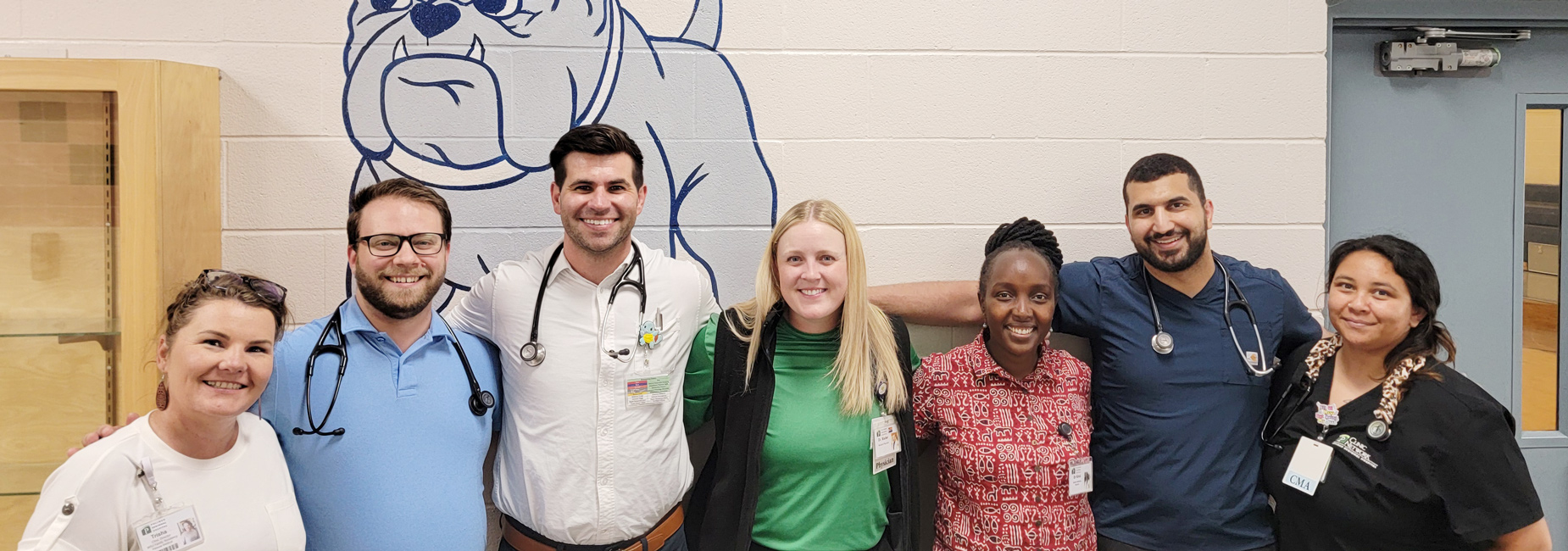
Residents will have at least six months of elective experiences throughout their three years of residency. The electives are critical for each resident to develop and enhance the competencies that are needed to serve the resident’s future communities and career goals best.
Current Electives Include, but Are Not Limited To
- Ear, Nose, and Throat/Audiology
- Student Health
- Pathology
- Neurology
- Hematology/Oncology
- Dermatology
- Wound Care
- Infectious Disease
- Anesthesia & Pain Management
- Nephrology
- Gastroenterology
- Podiatry
- Cardiology
- Sleep Medicine
- Research
Residents Can Focus on One of the Selective Pathways
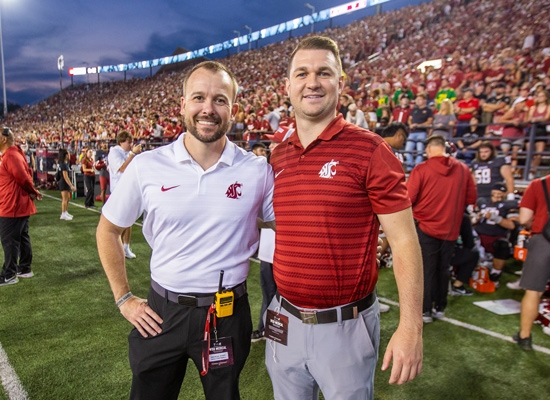
Designed for residents interested in pursuing a sports medicine fellowship, this track provides broad exposure to athlete care across multiple settings. Residents work regularly with local youth, high school, and Division I athletes, participating in PPEs, event coverage, and training‑room experiences. Additional opportunities include MSK ultrasound training, attendance at national sports medicine conferences, and involvement in research.
Our OB track is unique in its depth and continuity. Rather than a single block rotation, obstetrics training is integrated throughout residency, allowing residents to build skills progressively and confidently. Participants may gain experience in VBACs, twin deliveries, OB triage, rapid response situations, and high‑volume labor management — it is possible to get > 100 deliveries. Residents also take call in a model that mirrors real‑world practice, balancing clinic responsibilities while managing laboring patients. The result is a rich, hands‑on experience that prepares residents for full‑spectrum family medicine with obstetrics.
This track is designed for residents committed to practicing full‑scope family medicine in rural or frontier communities. Residents complete their continuity clinic in a location even more rural than Pullman, gaining firsthand experience with the challenges and rewards of caring for patients in resource‑limited settings. Training emphasizes broad procedural skills, community‑centered care, and clinical independence, preparing residents to confidently serve as comprehensive physicians in rural practice.
Our residency is committed to helping each resident shape their training to match their interests and future practice goals. For those whose passions fall outside our established tracks, we collaborate to design a personalized pathway that leverages our clinical, academic, and community resources. This customizable track ensures residents can explore specialized areas and develop the skills needed to become the physician they aspire to be.
Didactics
Our didactic curriculum is designed to be engaging, practical, and interactive. Sessions are led by a diverse mix of core faculty, community physicians and specialists, as well as residents, creating a dynamic learning environment grounded in real-world practice. Residents are active participants, with opportunities to teach, lead discussions, and shape the curriculum. We also prioritize board preparation through regular question review sessions and focused test-taking strategies to build confidence for in-training exams and board certification.
We believe learning should be memorable, so we intentionally incorporate creative and interactive formats into our curriculum. From medical escape rooms and diagnostic murder mysteries to friendly team-based competitions, our didactics balance high-yield clinical content with collaboration, problem-solving, and fun.
Academic Half-Day
- Academic Half-Days are protected learning time where all clinical duties are suspended for residents every Wednesday afternoon.
- Formats include but are not limited to interactive case-based learning, traditional lecture style teaching, workshops, Journal club, and hands-on simulations. Recurring POCUS workshops occur approximately once a month. Core Faculty present recurring segments such as skin topics, mental health minute, EKGs, geriatric topics, AI teaching, maternal health moment, clinic management, and test-taking strategies. Hands-on simulations include a wide variety of topics including IUD placements, suture skills, intubations, paracentesis, lumbar punctures, circumcisions, and hemorrhoidectomies as examples.
- Residents are actively involved in didactics by giving case presentations, running Journal Club, and presenting EKG & image of the week.
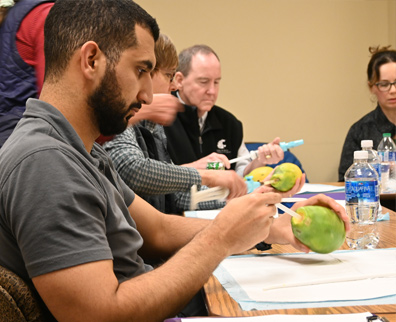
Check out our Instagram at some of the memorable Didactic Sessions.
Lunch & Learn
- Twice a month, Pullman Regional Hospital and WSU Family Medicine Residency pair up to bring a lecture and catered lunch to the hospital staff. Residents come and listen to a speaker while they eat lunch and share in the community of the hospital.
- Topics vary and have included pediatric cardiology, financial health, solving cold cases using DNA, Xylazine and emerging drugs, Native healthcare, and school special services.
- Residents present a Capstone Project at Friday Lecture in the Spring of their PGY3
Follow Us on Social
@wsufmresidency on Instagram. WSU-Family-Medicine-Residency on Facebook.